
Liver Cirrhosis: Causes, Prevention and Important Health Tips
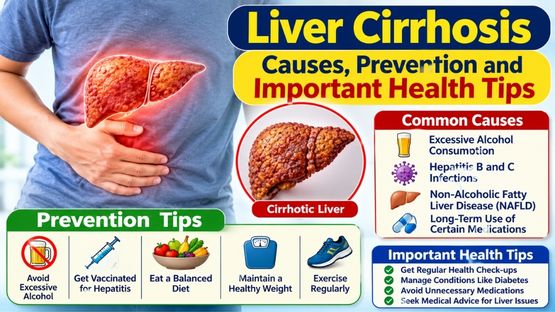
Liver cirrhosis is a serious condition in which healthy liver tissue is gradually replaced by scar tissue. Over time, this scarring can affect the liver`s ability to perform its normal functions. Cirrhosis can develop due to several long-term liver conditions, including chronic alcohol-related liver disease, viral hepatitis and metabolic liver disease.
Because liver damage may not cause noticeable symptoms in the early stages, paying attention to liver health and addressing risk factors early can be important.
What Is Liver Cirrhosis?
The liver performs several important functions, including processing nutrients, producing essential proteins and helping the body process and remove various substances.
When the liver is repeatedly damaged over a long period, scar tissue can develop. As the scarring progresses, normal liver function may be affected. This advanced scarring is known as cirrhosis.
Cirrhosis is not caused by age alone. People above 35 may have certain risk factors, but liver disease can occur at different ages depending on lifestyle, medical conditions and other causes.
What Can Increase the Risk of Cirrhosis?
Several conditions and habits can contribute to long-term liver damage.
Avoid Excessive Alcohol Consumption
Long-term heavy alcohol consumption can damage liver cells and increase the risk of alcohol-related liver disease and cirrhosis. Avoiding alcohol is an important way to reduce this risk, particularly for people who already have liver problems.
Maintain a Healthy Diet
A diet high in excess calories, sugary drinks and highly processed or fried foods can contribute to excess body weight and metabolic problems. These conditions may increase the risk of fatty liver disease.
A balanced diet containing vegetables, whole grains, fibre-rich foods and appropriate portions can support overall liver health.
Get Tested for Hepatitis
Chronic hepatitis B and hepatitis C infections can cause long-term liver inflammation and damage. Testing may be recommended depending on a person`s risk factors and medical history.
Early detection can help people access appropriate medical care and reduce the risk of complications.
Consider Hepatitis B Vaccination
Hepatitis B vaccination helps protect against hepatitis B infection, which can cause chronic liver disease. People who are unsure about their vaccination status can discuss vaccination with a healthcare professional.
Do People Over 35 Need Regular Liver Tests?
There is no universal rule that every person over 35 must undergo a liver function test and abdominal ultrasound every year.
The need for liver tests or imaging depends on individual risk factors, symptoms, medical history and the advice of a healthcare professional. People with conditions such as obesity, diabetes, viral hepatitis, a history of significant alcohol use or known liver disease may require regular monitoring.
What Are the Warning Signs of Liver Disease?
Liver disease can sometimes remain unnoticed for a long period. Possible symptoms, particularly as liver disease progresses, may include:
- Persistent tiredness or weakness
- Loss of appetite
- Nauseaea
- Abdominal swelling
- Swelling in the legs
- Yellowing of the skin or eyes
- Dark urine
- Easy bruising or bleeding
These symptoms can have several causes, so they should not be used to diagnose cirrhosis on their own.
How Can You Protect Your Liver?
Maintaining a healthy weight, staying physically active, eating a balanced diet, avoiding excessive alcohol and managing conditions such as diabetes and high cholesterol can support liver health.
It is also important to avoid unnecessary medicines or supplements without appropriate medical advice, as some substances can affect the liver.
People with risk factors for liver disease should speak with a healthcare professional about appropriate blood tests, scans or other screening.
Disclaimer: This article is for general informational purposes only and should not be considered a substitute for professional medical advice, diagnosis or treatment.
Top Stories
-
 Tamil Nadu Summer Power Purchase 2027: Electricity Rates Fixed from January to June14/Nov/2026 10:04:16 AM
-
 Tiruchendur Soorasamharam 2026: Grand Kanda Sashti Festival to Be Held on November 1514/Nov/2026 9:59:38 AM
-
 Chennai Ula Vintage Bus Service: Are Heritage Buses Being Withdrawn from Tourist Routes?14/Nov/2026 9:59:32 AM
-
Liver Cirrhosis: Causes, Prevention and Important Health Tips14/Nov/2026 9:47:14 AM
-

-
 Pongal Train Ticket Booking 2027: Booking Opens Today for January 13 Travel14/Nov/2026 9:41:07 AM

 JB Soft System