
Chennai Port-Maduravoyal Double-Decker Expressway: 20.9-Km Project Gains Momentum, Set for Completion by November 2027
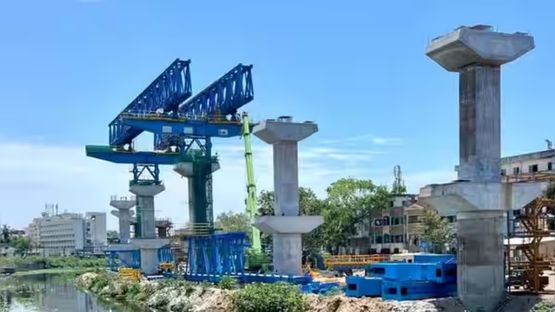
The construction of the 20.9-km Chennai Port-Maduravoyal Double-Decker Elevated Corridor is progressing rapidly. The ambitious infrastructure project aims to reduce traffic congestion across Chennai and improve the movement of cargo vehicles to and from Chennai Port.
One of Chennai`s most significant infrastructure developments, the project is being implemented by the National Highways Authority of India (NHAI). With an estimated investment ranging from ₹3,570 crore to ₹5,570 crore, the corridor is expected to transform road connectivity and freight transportation in the city.
Construction work is currently progressing along the Cooum River and the Poonamallee High Road stretches.
1. When Will the Project Be Completed?
There is considerable anticipation among Chennai residents about when the elevated corridor will open to the public.
- Revised completion deadline: The project was initially targeted for completion by May 2026. However, delays caused by the monsoon and construction challenges along the Cooum River have pushed the deadline. NHAI is now targeting November 2027 for completion and opening the entire corridor to traffic.
- Construction progress: A large concrete casting yard has been established at Chembarambakkam to manufacture pillars and massive structural segments. Installation work is being carried out in shifts, with construction activities extending up to 11 hours a day - five hours during the day and six hours at night.
2. Double-Decker Design and Key Infrastructure Features
The 20.9-km elevated corridor is being developed as one of India`s longest six-lane double-decker elevated road projects.
Double-Decker Section: Chennai Port to Koyambedu
A 14-km stretch between Chennai Port Gate No. 10 and Koyambedu will feature a double-decker structure.
- Upper Deck: A dedicated six-lane corridor exclusively for container trucks and heavy cargo vehicles travelling to and from Chennai Port.
- Lower Deck: A four-lane, signal-free road designed for the general public and local traffic.
Single-Deck Section: Koyambedu to Maduravoyal
The remaining seven-kilometre stretch between Koyambedu and the Maduravoyal Junction will continue as a single-level elevated road along Poonamallee High Road.
3. Thirteen Entry and Exit Ramps for Local Residents
To improve accessibility for the general public, 13 dedicated entry and exit ramps are being developed along the lower deck.
These ramps will allow motorists to access the elevated corridor from several important locations across the city.
Key connectctivity points include:
- Sivan Temple / Sivananda Salai
- College Road
- Spur Tank Road
- Kamarajar Salai
- Koyambedu
No Toll Charges for Local Commuters
According to the project details, no toll fee will be charged for vehicles using the lower deck for local travel.
However, commercial cargo vehicles using the upper deck will be subject to toll charges.
4. Major Traffic and Economic Benefits for Chennai
The Chennai Port-Maduravoyal elevated corridor is expected to deliver several important benefits.
Reduced Traffic Congestion
The dedicated upper-level route will allow container trucks travelling to and from Chennai Port to bypass several congested city roads.
This is expected to significantly reduce heavy vehicle movement on Poonamallee High Road and other central Chennai routes. The project aims to reduce traffic congestion by more than 50%, according to the reported projections.
Boost to Chennai Port`s Cargo Capacity
The elevated corridor is also expected to strengthen Chennai`s logistics and freight transportation infrastructure.
It will play an important role in supporting Chennai Port`s long-term development plans, including the target of increasing its cargo-handling capacity to 200 million tonnes by 2047.
Top Stories
-
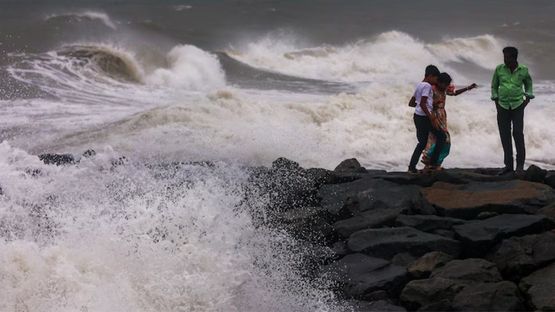 Cyclone 'Akvan' May Bring Heavy Rain to Tamil Nadu12/Nov/2026 12:35:15 PM
-
 What Is a Specialized Investment Fund (SIF)? Minimum Investment, Features and Who Can Invest12/Nov/2026 12:34:49 PM
-
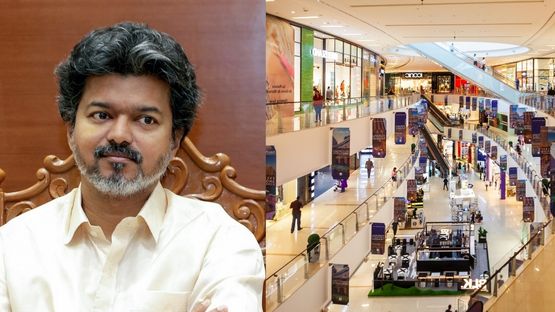 CM Vijay's Porur Property to Get a Six-Storey Mall with Three Theatres12/Nov/2026 12:27:44 PM
-
 Gold Price Drops by Rs. 3,520 in Three Days: Is This the Right Time to Invest in Gold?12/Nov/2026 12:22:53 PM
-
-
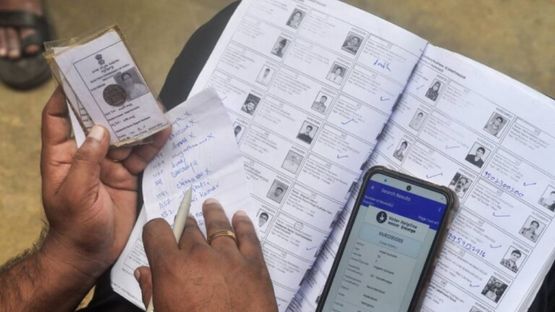 Chennai Draft Electoral Roll Released: Over 29.14 Lakh Voters Registered - Key Details Revealed12/Nov/2026 12:03:38 PM

 JB Soft System