
How to Reduce Stomach Acidity Naturally: 5 Simple Diet and Lifestyle Tips

Stomach discomfort, burning sensations, sour burps and heartburn are common digestive complaints. Many people refer to these symptoms as “stomach heat.” They may become more noticeable after eating spicy foods, consuming oily meals or going for long periods without food.
Making simple changes to eating habits and daily routines may help reduce digestive discomfort. Here are five practical tips, along with possible causes and signs that should not be ignored.
What Does Ayurveda Say About Stomach Heat?
According to Ayurvedic principles, Pitta is one of the three doshas associated with digestion and body heat. Ayurveda suggests that an imbalance in Pitta may contribute to sensations of heat and discomfort in the stomach.
Irregular meal timings, spicy and oily foods, stress and insufficient sleep may also affect digestive comfort. Rather than relying only on home remedies, maintaining healthy daily habits is important.
5 Ways to Reduce Stomach Heat and Digestive Discomfort
1. Eat Meals at Regular Times
Skipping meals for long periods or eating large meals late at night may worsen digestive discomfort in some people. Try to follow regular meal timings and avoid eating more than your body needs.
Eating moderate portions throughout the day may also help you maintain a comfortable eating routine.
2. Reduce Spicy and Oily Foods
Spicy dishes, deep-fried snacks and high-fat foods can trigger heartburn or stomach irritation in some people.
If you notice discomfort after eating particular foods, try reducing their intake and observe whether your symptoms improve.
3. Include Bottle Gourd and Green Gram in Your Diet
Bottle gourd and green gram (moong dal) can be included as part of a balanced diet. They provide water, fibre and other nutrients.
Simple dishes prepared with less oil may be easier to tolerate when experiencing digestive discomfort. Choose foods based on your individual tolerance rather than assuming that a particular food will treat stomach problems.
4. Drink Enough Water and Try Traditional Seed-Infused Drinks
Drinking enough water throughout the day helps maintain hydration. Do not ignore thirst, and adjust your water intake according to your needs.
Some traditional practices include drinking water infused with fennel or coriander seeds. However, there is limited scientific evidence that these drinks specifically reduce stomach acidity or heat. They should not be considered a replacement for medical treatment.
5. Maintain Good Sleep and Manage Stress
Stress may worsen digestive symptoms in some people. Eating a heavy meal late at night and lying down immediately afterwards can also increase acid reflux.
Try to finish dinner at least two to three hours before bedtime. Maintaining a regular sleep schedule and practising relaxation techniques may also support overall digestive health.
When Should You Consult a Doctor?
Persistent stomach burning, frequent acidity or recurring abdominal pain should not simply be dismissed as body heat. These symptoms may be associated with other digestive conditions that require medical attention.
Consult a healthcare professional if the discocomfort continues, becomes frequent or affects your daily activities.
Seek urgent medical care if you experience severe abdominal pain, vomiting blood, black stools, difficulty swallowing or unexplained weight loss. Chest pain, particularly when accompanied by breathlessness or sweating, also requires immediate medical assessment.
Final Thoughts
There is no single home remedy that can resolve every cause of stomach discomfort. Eating at regular times, reducing foods that trigger symptoms, drinking enough water, getting adequate sleep and managing stress may help support digestive health.
If symptoms persist or become severe, seek medical advice instead of relying on home remedies alone.
Disclaimer: This article is for general informational purposes only and should not be considered a substitute for professional medical advice, diagnosis or treatment.
Top Stories
-
 How to Track and Understand Your Power Consumption Using the Official TNEB Mobile App30/Oct/2026 11:26:34 AM
-
 Mettupalayam - Ooty Toy Train Cancelled on October 30, 31 and November 1 Due to Landslide30/Oct/2026 11:20:15 AM
-
 Train Number Changes from January 2027: Vande Bharat, Express Services to Get New Numbers30/Oct/2026 11:18:37 AM
-
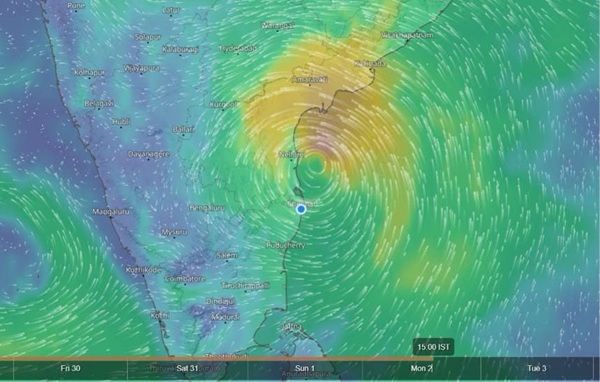 Low-Pressure System Approaching South Andhra Coast: Rain Prospects for North Tamil Nadu30/Oct/2026 11:15:10 AM
-
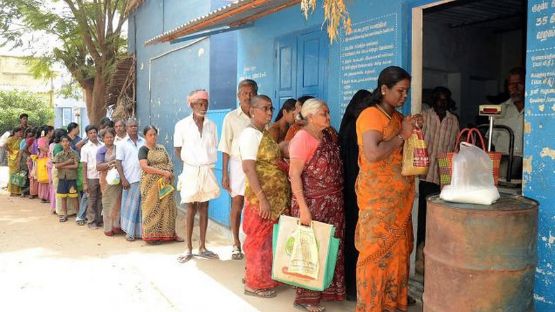 Tamil Nadu Diwali 2026: 10 Grocery Items for ₹200 – Special Package Sales Begin Today30/Oct/2026 11:13:03 AM
-
How to Reduce Stomach Acidity Naturally: 5 Simple Diet and Lifestyle Tips30/Oct/2026 10:52:47 AM

 JB Soft System