
Freehold vs Leasehold Property: What Is the Difference?
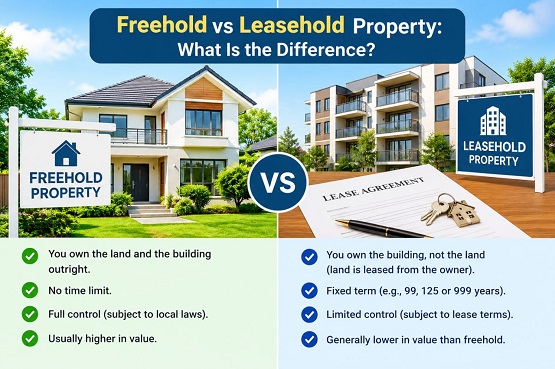
When purchasing property, buyers should understand whether the ownership arrangement is freehold or leasehold. The distinction affects the nature of the rights held, the duration of possession and the conditions governing the property.
What Is Freehold Property?
Freehold property generally refers to property held with ownership rights that are not limited by a fixed lease term. The owner`s rights remain subject to applicable laws, planning regulations, title conditions and other legal restrictions.
Freehold ownership does not mean that every type of construction or use is automatically permitted.
What Is Leasehold Property?
Leasehold property is held under a lease that grants the lessee the right to use or occupy the property according to the lease terms. The land or property may remain owned by the lessor, while the lessee holds specified rights for the agreed period.
Lease terms may cover the duration, rent, permitted use, renewal, transfer, subletting and other conditions. Buyers must examine these carefully.
Key Differences Between Freehold and Leasehold
The main difference is the nature and duration of the rights held. Freehold ownership is generally not restricted to a fixed lease period, whereas leasehold rights are governed by the lease duration and conditions.
Leasehold properties may require consent or approval for certain transfers or changes, depending on the lease and applicable law.
What Should Buyers Check?
Before buying either type of property, review the title documents, ownership structure and any restrictions affecting transfer or use. For leasehold property, examine the original lease, remaining term, renewal conditions and applicable transfer requirements.
Buyers should also confirm whether any charges, dues or approvals are outstanding.
Conclusion
Freehold and leasehold properties involve different ownership rights and obligations. Understanding the legal structure and checking the documents with a property lawyer can help buyers avoid unexpected restrictions.
Top Stories
-
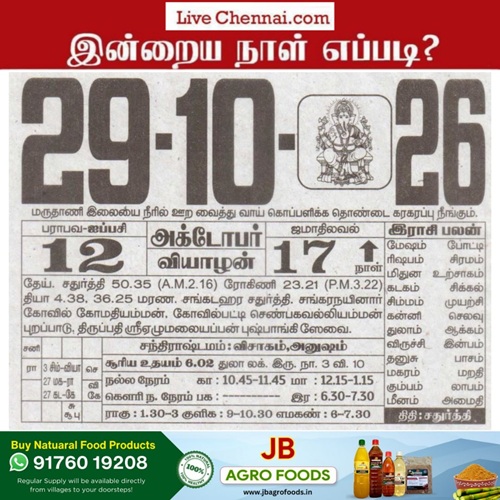 Tomorrow Panchangam October 29, 2026 | Auspicious Timings, Rahu Kalam, Gulikai28/Oct/2026 5:43:31 PM
-
 Sale Agreement vs Sale Deed: What Property Buyers Must Know28/Oct/2026 5:28:44 PM
-
Freehold vs Leasehold Property: What Is the Difference?28/Oct/2026 5:25:21 PM
-
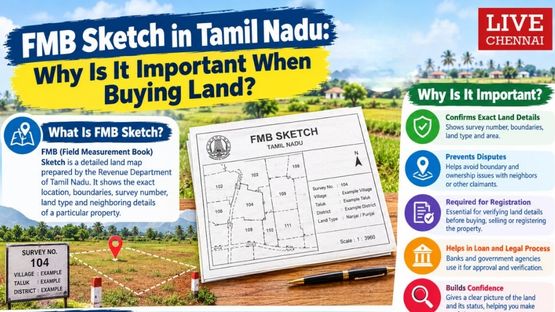 FMB Sketch in Tamil Nadu: Why Is It Important When Buying Land?28/Oct/2026 5:22:47 PM
-
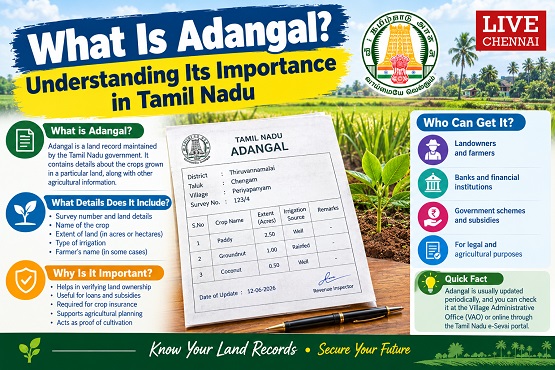 What Is Adangal? Understanding Its Importance in Tamil Nadu28/Oct/2026 5:18:55 PM
-
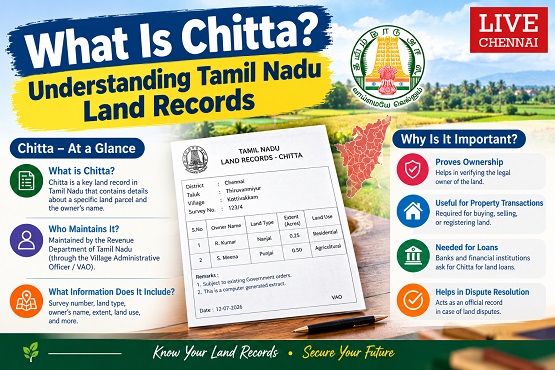 What Is Chitta?Understanding Tamil Nadu Land Records28/Oct/2026 5:09:41 PM

 JB Soft System