
Dengue and Fever Cases Surge in Chennai: Greater Chennai Corporation Intensifies Mosquito Control Measures
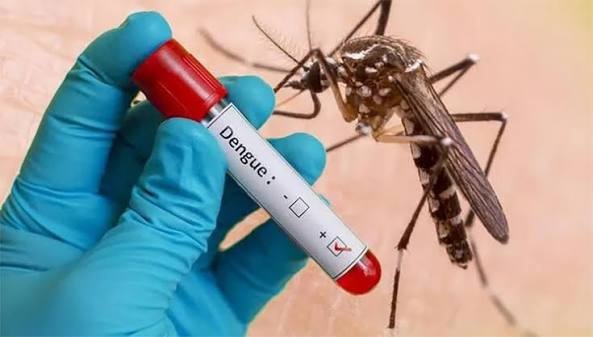
Dengue and fever cases are increasing in Chennai, prompting the Greater Chennai Corporation (GCC) to intensify mosquito control and fever prevention measures across all 15 zones of the city.
With Chennai witnessing a sharp rise in fever cases, around 1,900 fever cases were reported in just two days, including nearly 600 dengue cases. In response, GCC Commissioner GS Sameeran has directed officials from the health and vector control departments to step up field inspections and mosquito eradication activities across the city.
Chennai Records Over 6,400 Fever Cases Since August
The increase in cases comes amid sporadic rainfall in Chennai during August and September. The rain has resulted in stagnant water in several areas, creating favourable conditions for mosquito breeding and dengue transmission.
According to a senior GCC official, Chennai has recorded more than 6,400 fever cases since August. Of these, around 1,900 cases were reported during the last two days, with approximately 600 people testing positive for dengue.
Over 3,700 Workers to Join Dengue Control Drive
The Greater Chennai Corporation has decided to deploy additional manpower to control the spread of dengue and other mosquito-borne diseases.
More than 3,700 workers will participate in the citywide operation, including 2,076 workers assigned to door-to-door inspections, fogging and chemical spraying.
Officials have stressed that public cooperation is essential to prevent dengue transmission and control mosquito breeding across residential and public areas.
Door-to-Door Mosquito Breeding Inspections
Commissioner GS Sameeran has issued operational instructions to field teams involved in the Chennai dengue prevention drive.
Domestic Breeding Checkers (DBC) have been instructed to report for duty by 7 am every day and attend mandatory gate meetings before beginning their assigned field inspections.
DBC teams will inspect both the interiors and exteriors of houses for mosquito larvae. Areas to be checked include:
- Overhead water tanks
- Sumps and wells
- Cement tubs
- Unused containers
- Refrigerator drip trays
- Air conditioner units
- Other places where stagnant water may collect
The teams will also inspect public parks, commercial areas, schools, hostels and construction sites for mosquito breeding sources. Active fever cases identified during household visits will also be recorded.
H>Health Inspectors to Monitor Fever Cases
Health Inspectors (HIs) have been directed to conduct morning briefings, assign field beats and verify the inspection records submitted by DBC teams.
They will also visit the homes of patients diagnosed with fever at government hospitals, GCC clinics and private healthcare facilities to identify possible mosquito breeding sources near the patient`s residence.
Health officials will additionally supervise chemical fogging operations, conduct dengue awareness programmes for students, organise special medical camps in fever-affected areas and monitor patients after discharge.
GCC Appeals to Residents to Prevent Mosquito Breeding
Intermittent rainfall has increased the risk of stagnant water and mosquito breeding in several parts of Chennai. The Greater Chennai Corporation has urged residents to take preventive measures at home and around their neighbourhoods.
Residents are advised to:
- Remove discarded tyres and coconut shells.
- Empty unused containers that can collect rainwater.
- Keep water storage containers tightly covered.
- Clean refrigerator drip trays regularly.
- Clean indoor plant containers and remove stagnant water at least once a week.
- Prevent water from accumulating around homes and buildings.
The GCC has stressed that preventing mosquito breeding requires both intensive field action and active public participation. Residents are urged to cooperate with corporation teams during inspections and take immediate steps to eliminate stagnant water around their homes.
Top Stories
-
 Tomorrow Panchangam October 27, 2026 | Auspicious Timings, Rahu Kalam, Gulikai26/Oct/2026 6:04:45 PM
 -
 Chennai’s Architecture and Construction Sector: Major Projects and Emerging Trends in 202626/Oct/2026 5:52:19 PM
 -
 Tamil Nadu Monsoon Alert: Kodaikanal Red Alert, Vaigai Dam Water Level Reaches 50 Feet26/Oct/2026 5:18:23 PM
 -
 Orange Alert for Nagapattinam: Heavy Rain Expected in 6 Tamil Nadu Districts26/Oct/2026 5:10:58 PM
 -
 Ooty Mountain Train Service Cancelled Until October 29 Due to Restoration Work26/Oct/2026 5:05:55 PM
 -
 Bigg Boss Tamil 10: Actor Raghav Says TTF Vasan’s Fan Base Could Influence the Final Results26/Oct/2026 4:53:00 PM

 JB Soft System