
Warning Signs of High Blood Sugar: Symptoms You Should Never Ignore
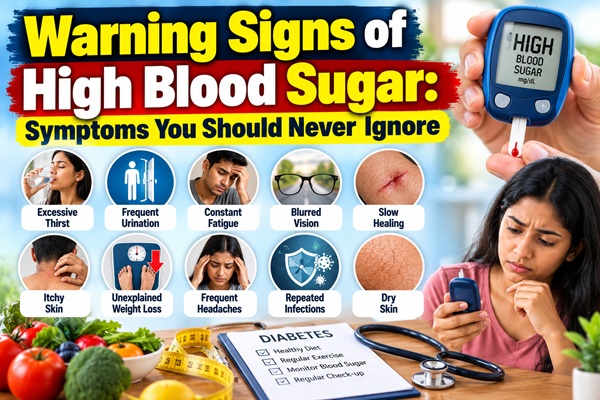
High blood sugar can sometimes develop without obvious symptoms. However, certain warning signs may indicate that your blood glucose levels are elevated. Many people mistake these symptoms for age-related changes, tiredness, or everyday lifestyle problems and overlook them.
Changing dietary habits, stress, and a lack of physical activity are among the factors associated with the growing risk of diabetes. Even people who appear healthy may have elevated blood sugar levels without realising it.
According to information shared by US oncologist Dr Ravi K. Gupta on Instagram, several symptoms may indicate high blood sugar. People of South Asian origin, including Indians, may have a higher risk of developing type 2 diabetes. Recognising possible warning signs and seeking medical advice can help with early detection.
1. Excessive Thirst and Frequent Urination
When blood glucose levels are too high, the kidneys work to remove excess glucose through urine. This can cause the body to lose more water than usual, leading to increased thirst and frequent urination. Some people may also need to use the bathroom more often at night.
However, these symptoms can occur for other reasons and do not necessarily indicate diabetes.
2. Persistent Hunger and Tiredness
When insulin does not work effectively, the body`s cells may struggle to use glucose for energy. As a result, some people may feel hungry again shortly after eating or experience persistent tiredness, even after performing simple daily activities.
Unexplained or ongoing fatigue should not be ignored, particularly when accompanied by other possible symptoms of high blood sugar.
3. Slow-Healing Wounds
Persistently elevated blood sugar can damage blood vessels and nerves and affect the body`s ability to fight infections. Consequently, minor cuts, wounds, and skin problems may take longer than usual to heal.
If wounds repeatedly heal slowly, it is advisable to consult a healthcare professional.
4. Blurred Vision
Rapid changes in blood sugar levels can affect the lens of the eye, sometimes causing temporary blurred vision. People may mistakenly attribute this symptom to prolonged mobile phone or computer use.
Persistent or sudden changes in vision require medical attention rather than being dismissed as ordinary eye strain.
5. Frequent Infections
High blood sugar can affect the body`s ability to fight certain infections. Recurrent urinary tract infections, skin infections, and fungal infections may sometimes be associated with diabetes.
People experiencing frequent or persistent infections should consult a doctor to identify the underlying cause.
6. Increased Fat Around the Waist
An increase in abdominal fat, particularly around the waist, may be associated with insulin resistance and a higher risk of metabolic problems, including type 2 diabetes.
However, abdominal fat alone does not confirm that a person has diabetes. A proper medical assessment is necessary to determine individual risk.
Can You Have High Blood Sugar Without Symptoms?
Yes. Some people with diabetes may experience few or no noticeable symptoms, particularly during the early stages. Therefore, the absence of warning signs does not necessarily mean that blood sugar levels are normal.
People at risk of diabetes should discuss appropriate screening with their healthcare provider. Tests such as fasting blood glucose and HbA1c can help assess blood sugar levels and support the diagnosis of diabetes.
It is important to remember that experiencing one or more of these symptoms does not automatically mean that you have diabetes. Only appropriate medical evaluation and testing can establish the diagnosis.
Disclaimer
This article provides general health information for educational purposes only. The symptoms described may have causes other than diabetes. Consult a qualified healthcare professional for medical advice, appropriate testing, and diagnosis. Do not use this article as a substitute for professional medical care.
Top Stories
-
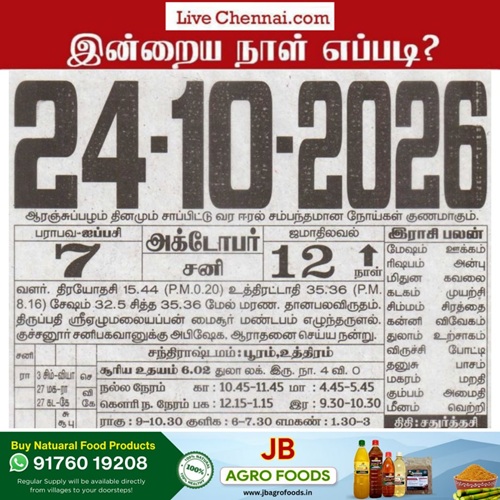 Tomorrow Panchangam October 24, 2026 | Auspicious Timings, Rahu Kalam, Gulikai23/Oct/2026 5:51:42 PM
-
 Best Areas Near Medavakkam, Chennai: A Guide to Nearby Residential and Lifestyle Localities23/Oct/2026 5:28:27 PM
-
 Bigg Boss Tamil 10: Muniyamma’s 40 Sovereign Gold Jewellery Claim Sparks Debate23/Oct/2026 5:18:44 PM
-
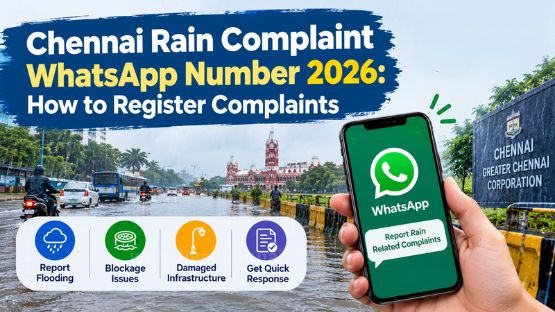 Chennai Rain Complaint WhatsApp Number 2026: How to Register Complaints23/Oct/2026 4:50:18 PM
-

-
 Samsung Galaxy F70 5G Launched in India at Rs. 17,999: Specifications and Features23/Oct/2026 4:25:24 PM

 JB Soft System