
Rambutan Fruit Benefits: Nutrition and Health Benefits
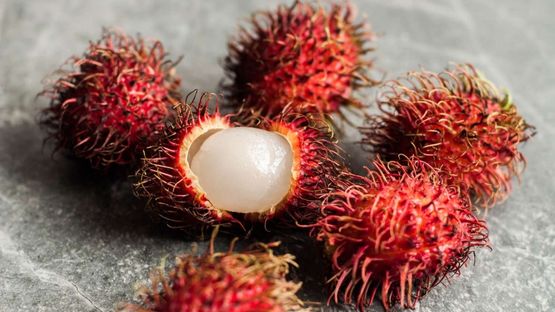
Despite its unusual, spiky looking outer skin, rambutan is a sweet and nutritious tropical fruit. It contains several essential nutrients, including vitamin C, iron, potassium, magnesium and phosphorus.
Rambutan also provides carbohydrates and a small amount of protein, which contribute to the body`s energy needs. The fruit contains fibre and water, which can support digestion and help you feel full after eating.
Nutritional Benefits of Rambutan
Rambutan contains vitamin C and other antioxidant compounds that help protect cells from oxidative stress. Its water content can also contribute to overall fluid intake and hydration.
The fibre in rambutan may support healthy digestion and help maintain regular bowel movements. Including fruits such as rambutan as part of a balanced diet can also contribute to overall nutrient intake.
Some of the nutrients found in rambutan, including vitamin C and minerals, support normal skin, hair and nail health. However, eating rambutan alone cannot guarantee noticeable changes in their appearance.
Can People with Diabetes or High Blood Pressure Eat Rambutan?
Rambutan can be included in a balanced diet, but people with diabetes should pay attention to portion size because the fruit contains natural sugars and carbohydrates.
People with high blood pressure or other health conditions should also consider their overall diet and individual nutritional needs. Pregnant women can generally consume fruits as part of a balanced diet, but those with specific medical or dietary concerns should seek professional advice.
Rambutan should not be considered a treatment for asthma, diabetes, high blood pressure or kidney problems. Claims that it directly removes waste from the kidneys or prevents dehydration should also not be treated as medical benefits.
Disclaimer: This article is for general informational purposes only and should not be considered a substitute for professional medical advice, diagnosis, or treatment.
Top Stories
-
 Madurantakam and Dharapuram By-Elections Tomorrow; 6,000 Police Personnel Deployed05/Oct/2026 12:54:34 PM
 -
 Chennai Suburban Train from Tambaram Derails Near Chennai Fort Station05/Oct/2026 12:14:32 PM
 -
 Chennai Corporation Collects 44.52 Tonnes of Old Household Items in a Single Day05/Oct/2026 12:05:24 PM
 -
 A Celebration of Grace: Seniors Fashion Show at the 7th ASLI Ageing Fest in Chennai05/Oct/2026 11:55:03 AM
 -
 Coimbatore - Mumbai Train Departure Time Changed Today05/Oct/2026 11:43:33 AM
 -
Rambutan Fruit Benefits: Nutrition and Health Benefits05/Oct/2026 11:37:38 AM

 JB Soft System