
Kidney-Friendly Eating Plan (CKD Guide)
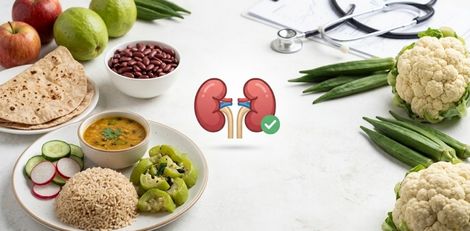
A kidney-friendly eating plan helps people with chronic kidney disease (CKD) stay healthy by reducing the workload on the kidneys and slowing disease progression.
What is a Kidney-Friendly Diet?
It focuses on eating the right foods and limiting certain nutrients like sodium, potassium, phosphorus, and fluids to prevent buildup in the body.
Why It’s Important
- Slows kidney damage
- Controls blood pressure and diabetes
- Prevents fluid buildup and complications
- Supports energy, muscle health, and overall well-being
Key Diet Guidelines
Protein (Moderation is Key)
- Needed for body repair, but excess can strain kidneys
- Prefer lean proteins like eggs, chicken, and fish
- Follow doctor/dietitian advice on quantity
Healthy Fats
- Choose good fats like olive oil
- Limit unhealthy fats to avoid heart issues
Carbohydrates
- Focus on whole grains, fruits, and vegetables
- Avoid sugary foods and drinks
Sodium (Salt)
- Limit salt to prevent swelling and high blood pressure
- Use herbs/spices instead of salt
- Avoid processed and packaged foods
Managing Key Minerals
Potassium
- Too much or too little affects heart and muscles
- Limit high-potassium foods like bananas, potatoes, and spinach if advised
Phosphorus
- High levels can weaken bones
- Avoid foods like nuts, seeds, and cola drinks
Fluids
- May need to limit water and liquid foods
- Helps prevent swelling and heart strain
Portion Control Tips
- Check serving sizes on labels
- Eat slowly and stop when full
- Avoid distracted eating
Other Important Tips
- Plan meals in advance
- Stay physically active
- Work with a dietitian for a personalized plan
- Adjust diet based on CKD stage and conditions like diabetes
Takeaway
A kidney-friendly diet focuses on balanced nutrition, controlled portions, and limiting harmful nutrients. With proper planning and medical guidance, it c can help manage CKD and improve quality of life.
Disclaimer: This content is for informational purposes only and not a substitute for medical advice. Always consult a doctor or dietitian before making dietary changes.
Top Stories
-
 New Honda CB350RS Launched at Rs. 1.99 Lakh26/Sep/2026 2:56:07 PM
 -
 Buying property from an NRI will now be easier: Rules changing from October.26/Sep/2026 2:35:25 PM
 -
 Chennai Rain Alert: Rain Likely in 6 Districts Today, Weather Department Update26/Sep/2026 11:04:43 AM
 -
 TNPSC Group 1 Exam Tomorrow: 2.23 Lakh Candidates to Appear for 46 Posts26/Sep/2026 10:56:14 AM
 -
 Air India Express Student Offer: 10% Flight Discount and 25 Kg Baggage Allowance26/Sep/2026 10:50:32 AM
 -
 SBI Bank Branches to Remain Open on Sunday, September 2726/Sep/2026 10:44:35 AM

 JB Soft System