
Can You Take a Bath During Fever? Know the Safe Way

Fever is common due to seasonal changes, viral infections and other causes. When people have a fever, many wonder whether they can take a bath or drink water. Since body temperature naturally increases during a fever, some people may also experience increased sweating, which can lead to fluid loss.
To maintain hydration, adequate fluids such as water, ORS, tender coconut water or soup may be consumed as appropriate. If fluid intake is too low, dehydration can occur, which may cause symptoms such as headache, dizziness, tiredness and dry mouth.
What Can You Eat During a Fever?
Loss of appetite is common during a fever. Eating foods that are very oily or spicy may cause discomfort for some people. Instead, easily digestible foods such as porridge, khichdi and idli can be included.
There is no need to force yourself to eat large amounts when you have little appetite. However, it is important to ensure that the body receives enough fluids and nutrition.
Is It Safe to Take a Bath During a Fever?
There is no general rule that says you should completely avoid bathing when you have a fever. However, it is better to avoid very cold water. Extremely cold water can cause shivering, which may make the body try to generate more heat.
Instead, taking a short bath with moderately warm water or wiping the body with a cloth dipped in lukewarm water can be a more comfortable option. Bathing during a fever should mainly be considered a way to maintain personal hygiene and comfort.
A bath can generally be kept short, around 5 to 10 minutes. If you begin to shiver, stop bathing immediately. Dry yourself with a soft towel and wear light, breathable cotton clothing.
After bathing, drink enough water or other suitable fluids to help maintain hydration. If you feel dizzy or extremely tired before bathing, it is better to avoid bathing until you feel more stable.
What Should You Avoid During a Fever?
Taking medicine alone is not always enough when you have a fever. Adequate rest, sufficient fluids, nutritious food and personal hygiene are also important parts of general care.
Treatment depends on the underlying cause of the fever. Therefore, avoid taking medicines without appropriate medical advice. If the fever persists or becomes very high, seek medical attention promptly.
Disclaimer: This article is for general informational purposes only and should not be considered a substitute for professional medical advice, diagnosis, or treatment.
Top Stories
-
Can You Take a Bath During Fever? Know the Safe Way17/Sep/2026 12:04:11 PM
-

-
 ITI Admissions 2026-27: Direct Admission Deadline Extended to September 22 in Tamil Nadu17/Sep/2026 11:05:49 AM
 -
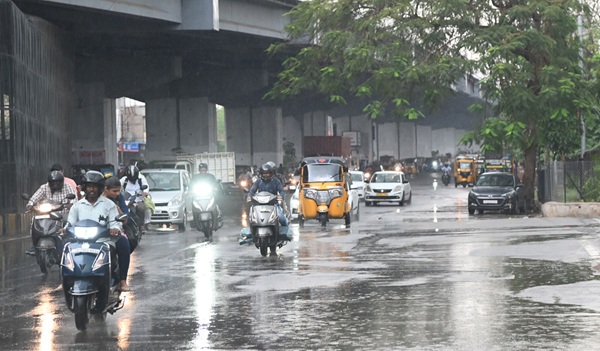 Tamil Nadu Weather Today: Rain Likely in 23 Districts, Chennai May Get Rain Tonight17/Sep/2026 10:59:49 AM
 -
 Chennai Suburban and Express Trains Delayed, Passengers Affected17/Sep/2026 10:57:19 AM
 -
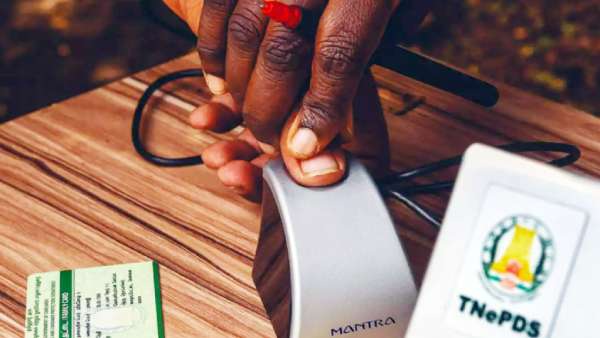 Ration Shops to Hold Special eKYC Fingerprint Camp on September 19 in Tamil Nadu17/Sep/2026 10:51:51 AM