
Switching to Rooftop Solar in Chennai: TNPDCL Net Metering & Subsidy Guide
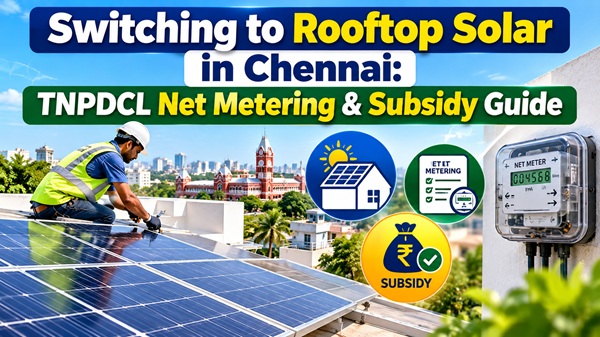
With electricity tariffs rising and Chennai experiencing abundant sunshine for more than 300 days a year, rooftop solar panels have become one of the most effective investments for homeowners. By installing a solar setup, you can significantly reduce or completely eliminate your bi-monthly TNPDCL bill while exporting surplus power back to the grid.
Thanks to the unified national portal and updated Tamil Nadu Power Distribution Corporation Limited (TNPDCL) protocols, the transition to solar energy—complete with subsidies and grid integration (net metering)—is now fully structured online.
On-Grid vs. Off-Grid: Which Is Best for Chennai?
For most residential apartments and independent homes in Chennai, an On-Grid Solar System is the ideal choice.
How it works: Your solar panels power your home during the day. Any excess electricity generated is automatically sent back to the TNPDCL grid. At night, your home pulls power seamlessly from the grid.
Net Metering: TNPDCL installs a bi-directional "Net Meter." At the end of the billing cycle, your bill is calculated strictly on [Units Imported from Grid] minus Units Exported from Solar. If you export more than you consume, the credit rolls over to your next bill.
Government Subsidies & System Costs (2026-2027)
Residential solar installations qualify for heavy capital subsidies under the central government`s PM-Surya Ghar: Muft Bijli Yojana.
1 kW to 2 kW Systems: Ideal for small houses (saves ~120–240 units/month). Eligible for standard benchmark subsidies.
3 kW Systems: The sweet spot for a typical 2BHK/3BHK home running an AC during the day (saves ~360 units/month). This tier qualifies for maximum subsidy optimization.
Above 3 kW: Perfect for large homes or luxury villas, though the subsidy caps out at the 3 kW threshold.
Average setup recovery time in Chennai is just 3 to 4 years, after which your electricity becomes virtually free for the remaining 20+ year lifespan of the panels.
Step-by-Step Application Process for TNPDCL Net Metering
1. Feasibility Check: Visit the official portal and check your consumer history. Ensure your Sanctioned Load (kW) matches or exceeds the capacity of the solar system you plan to install. If your home has a 3 kW connection, you can install up to a 3 kW solar system.
2. Register Online: Submit an application on the National Rooftop Solar Portal using your 10-digit TNPDCL consumer service number.
3. Vendor Selection: Always choose a TNPDCL-empanelled solar vendor. They ensure that the components used (panels and inverters) meet MNRE safety and quality standards, which is mandatory for receiving your subsidy.
4. Technical Feasibility Approval: Your local TNPDCL Assistant Engineer (AE) will review the structural and electrical feasibility online and issue a green signal (feasibilility approval).
5. Installation & Commissioning: The vendor installs the panels and solar inverter. Once complete, they submit a work completion report on the portal.
6. Net Meter Installation: TNPDCL officials inspect the site, swap your old digital meter for a secure bi-directional Net Meter, and officially commission the system. Your subsidy is credited directly to your bank account within 30 days of commissioning.
Crucial Tips for Solar Buyers in Chennai
Shadow-Free Area: Ensure your rooftop has a completely shadow-free space between 09:00 AM and 04:00 PM. Shadows from overhead water tanks or neighboring trees drastically drop power generation.
Monsoon Maintenance: Chennai’s coastal air carries salt and fine dust. Clean your solar panels with plain water once every two weeks to wash away dust films and maximize sunlight absorption.
Top Stories
-
 Tamil Nadu CM Vijay to Visit Ambasamudram on November 14 for Children’s Day Celebration31/Oct/2026 11:44:01 AM
-
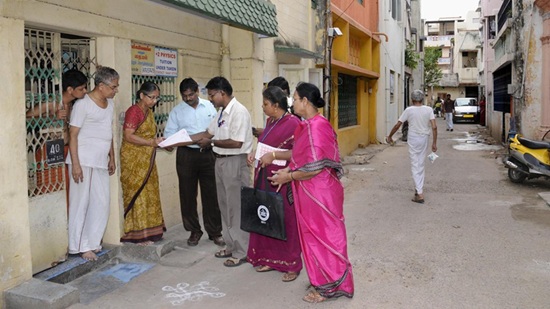 India Census 2027: Population Enumeration to Begin on January 25 – Check Dates and Details31/Oct/2026 11:37:15 AM
-
Switching to Rooftop Solar in Chennai: TNPDCL Net Metering & Subsidy Guide31/Oct/2026 11:19:10 AM
-
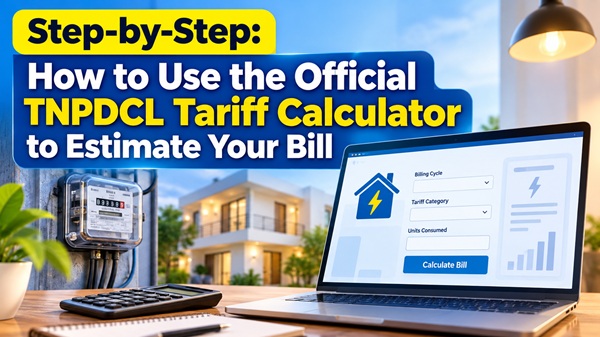 Step-by-Step: How to Use the Official TNPDCL Tariff Calculator to Estimate Your Bill31/Oct/2026 11:09:34 AM
-
-
 Cold Water vs Warm Water After Meals: Which Is Better for Digestion?31/Oct/2026 10:21:19 AM

 JB Soft System