
Coconut Milk Benefits: Nutrition, Uses and Side Effects
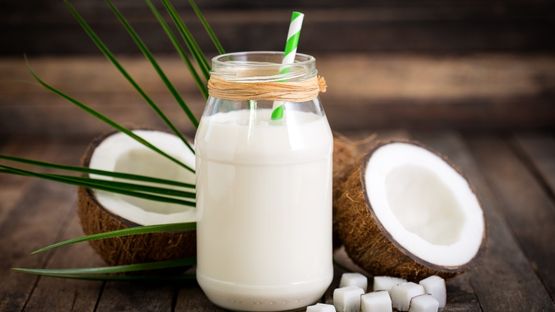
Coconut milk is a creamy liquid made from the white flesh of mature coconuts. It is commonly used in Indian, Southeast Asian, Caribbean and other cuisines.
It has a rich flavour and can be added to curries, soups, smoothies, desserts and other dishes. Coconut milk also provides several nutrients, but it is relatively high in calories and saturated fat, so portion size is important.
What Is Coconut Milk?
Coconut milk is made by grating the white flesh of mature coconuts, mixing it with water and then straining the mixture.
It is different from coconut water, which is naturally found inside young green coconuts. Coconut milk generally contains much more fat and calories than coconut water.
Coconut Milk Nutrition
Coconut milk provides nutrients such as:
- Fat
- Protein
- Fibre
- Vitamin C
- Folate
- Iron
- Magnesium
- Potassium
- Copper
- Manganese
The exact nutritional value can vary depending on whether the milk is canned, diluted or homemade.
Because coconut milk contains considerable amounts of fat and calories, consuming large quantities may increase overall calorie intake.
Potential Health Benefits of Coconut Milk
May Support a Balanced Diet
Coconut milk can be included as part of a varied diet and provides several vitamins and minerals. However, it should complement other nutrient-rich foods rather than replace them.
Provides Healthy-Fat Components
Coconut contains medium-chain fats along with other types of fat. These fats are metabolised differently from some longer-chain fats, although the amount of medium-chain fats in coconut milk may not be large enough to produce significant weight-loss effects.
May Support Heart Health
Coconut milk is high in saturated fat. Research on coconut products and cholesterol has produced mixed findings, so coconut milk should not be considered a specific treatment for cholesterol or heart disease.
People concerned about cholesterol may benefit from discussing their overall dietary fat intake with a healthcare professional.
Provides Minerals
Coconut milk contains minerals such as iron, magnesium, potassium, copper and manganese, which play important roles in normal body functions.
Possible Side Effects
Coconut milk is generally suitable for most t people when consumed in moderate amounts. However, some people may experience digestive discomfort or may need to avoid it because of a coconut allergy.
Since coconut milk can be high in calories and saturated fat, frequent consumption of large portions may not be suitable for everyone.
People with specific dietary restrictions or digestive problems should consider their individual nutritional needs when including coconut milk in their diet.
How to Use Coconut Milk
Coconut milk can be added to a variety of foods, including:
- Vegetable and lentil curries
- Soups and sauces
- Smoothies
- Oatmeal and other cereals
- Desserts
- Rice-based dishes
When buying packaged coconut milk, check the nutrition and ingredient labels. Unsweetened varieties may be preferable when you want to control added sugar.
Homemade Coconut Milk
Coconut milk can also be prepared at home. Grated coconut can be blended or soaked with warm water and then strained to obtain a creamy liquid.
The thickness can be adjusted by changing the amount of water used.
Disclaimer
This article is for general informational purposes only and should not be considered a substitute for professional medical advice, diagnosis, or treatment.
Top Stories
-
 LPG Subsidy: Biometric e KYC Mandatory From October 130/Sep/2026 11:29:39 AM
 -
 Adyar Offers: Discover Latest Deals and Discounts on LiveChennai30/Sep/2026 11:11:05 AM
 -
 UNAVU EXPO 2026 to Bring Food and Hospitality Industry Together in Chennai30/Sep/2026 11:03:48 AM
 -
Coconut Milk Benefits: Nutrition, Uses and Side Effects30/Sep/2026 10:57:52 AM
-
 Tamil Nadu Weather: Heavy Rain Expected in 11 Districts Today30/Sep/2026 10:50:14 AM
 -
 Tamil Nadu CMO May Shift to NKM Before Pongal: 10th Floor Preparations Underway30/Sep/2026 10:44:53 AM

 JB Soft System