
How to Set Up a Smart Home on a Budget: Affordable Devices and Money-Saving Tips
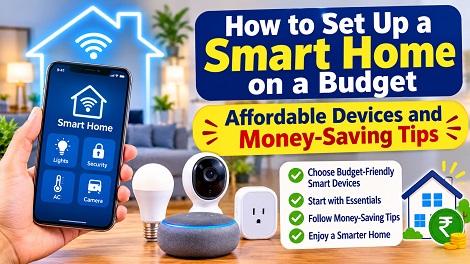
Want to make your home smarter without spending a fortune? Discover affordable smart home devices, easy installation tips, and practical ways to improve security, comfort, and energy efficiency.
Smart home technology is changing how people manage their everyday lives. From controlling lights through smartphones to monitoring home security remotely, smart devices offer convenience, comfort, and better energy management.
The good news is that setting up a smart home doesn`t require a huge investment. With careful planning and the right devices, homeowners can enjoy modern automation while keeping expenses under control.
Start with Your Smart Home Needs and Budget
Before purchasing smart devices, identify what matters most to your household. Are you looking to reduce electricity bills, strengthen security, or make daily activities easier?
Smart lighting and thermostats can help manage energy consumption, while security cameras and smart locks provide additional protection.
Create a list of essential devices and compare prices across brands. Remember to account for possible subscription charges and installation costs.
Starting with one or two affordable devices allows you to gradually expand your smart home.
Choose Affordable Smart Home Devices
Several budget-friendly products can make a noticeable difference without requiring expensive upgrades.
Smart Plugs: Devices from TP-Link and Kasa allow users to remotely control appliances and schedule their operation.
Smart Lighting: Philips Hue and Wyze smart bulbs offer adjustable lighting and smartphone controls.
Security Cameras: Wyze Cam v3 and Blink Mini provide features such as motion detection, night vision, and remote monitoring.
Smart Thermostats: Google Nest Learning Thermostat and Wyze Thermostat help manage indoor temperatures and energy usage.
Before purchasing, check whether the devices work with Amazon Alexa, Google Assistant, or Apple HomeKit.
Save Money with DIY Smart Home Installation
Installing smart devices yourself can significantly reduce setup expenses.
Products such as smart bulbs, plugs, and speakers generally include straightforward instructions and companion mobile applications.
However, more complicated installations involving advanced security systems or heating and cooling controls may benefit from professional assistance.
Choose an installation method based on your technical confidence, available time, and budget.
Reduce Electricity Bills Through Smart Automation
Energy efficiency is one of the biggest advantages of smart home technology.
Smart thermostats can automatically adjust temperatures based on household routines. Smart LED bulbs can switch off when unnecessary, while smart plugs help schedule appliance usage.
Homeowners can also create automated routines that control multiple devices simultaneously.
For example, a bedtime routine can switch off lights, adjust the thermostat, and turn off selected smart plugs.
Improve Home Security Without Overspending
Affordable smart cameras, video doorbells, and door sensors can strengthen household security.
Products from Ring, Eufy, Aqara, and Wyze offer different monitoring and alert fefeatures.
Homeowners can also improve protection through motion-sensor lighting, stronger door locks, and regular security checks.
Build a Smart Home That Can Grow
When selecting devices, prioritise compatibility and future upgrades.
Technologies such as Matter, Zigbee, and Z-Wave support communication between compatible smart home products.
Regular firmware updates, secure Wi-Fi connections, and reliable device integration are equally important.
Conclusion
Building an affordable smart home is about making practical choices rather than purchasing expensive technology.
By starting small, choosing compatible devices, and using automation wisely, homeowners can create a convenient, energy-efficient, and secure living environment without exceeding their budget.
Top Stories
-
 Sabarimala Ayyappa Vratham: Simple Rules Every Devotee Should Know18/Nov/2026 3:45:41 PM
-
 What Is SIP? Benefits of Systematic Investment Plans in India18/Nov/2026 3:30:26 PM
-
How to Set Up a Smart Home on a Budget: Affordable Devices and Money-Saving Tips18/Nov/2026 3:01:01 PM
-
 Pongal Return Train Booking 2027: Tickets Sold Out Within Minutes18/Nov/2026 2:48:02 PM
-
 Chennai Green Corridor: ₹12 Crore Kathipara to Airport Beautification Project18/Nov/2026 2:38:52 PM
-
 Chennai Olympic City: 124 Acres Planned in Semmenchery with 46 Sports18/Nov/2026 2:14:03 PM

 JB Soft System