
The Lost Chennai: 20 Landmarks That Live Only in Memory
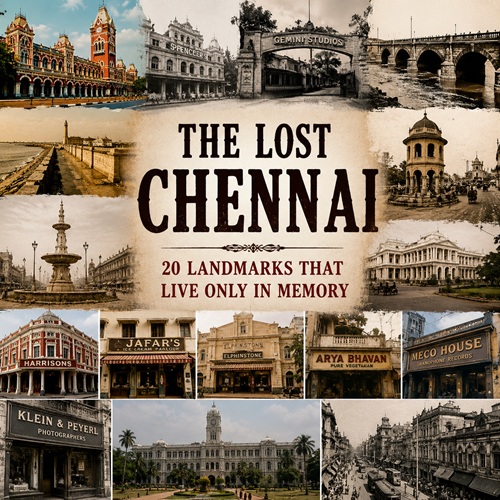
Chennai’s history is preserved not only in its grand monuments and surviving heritage buildings, but also in the places that have quietly disappeared over time. Old markets, theatres, restaurants, bridges, studios and familiar street landmarks once formed an essential part of everyday life in the city.
Here are 20 places, buildings and memories that have been demolished, destroyed, relocated or transformed beyond recognition.
“Lost” does not necessarily mean that every trace has disappeared. Some landmarks survive only through their names, fragments, plaques, photographs and the memories of those who knew them.
1. Moore Market
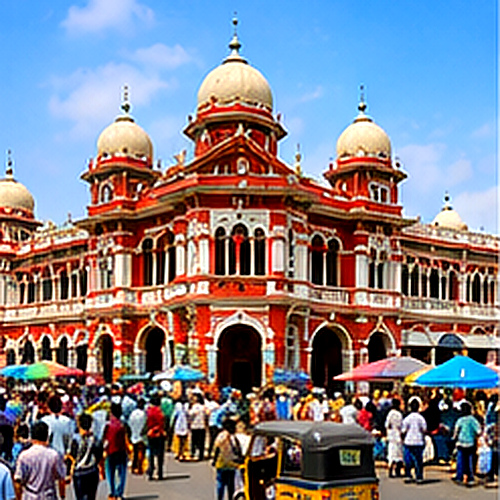
Located near Chennai Central, Moore Market was once one of Madras’s most iconic public spaces. Built in the Indo-Saracenic style, it was known for its lively collection of second-hand books, antiques, electrical goods, pets and countless other curiosities.
The market was destroyed in a fire in 1985, and the site was later used for the expansion of the suburban railway network. Although a new market was established nearby, it never recreated the cultural charm or significance of the original.
2. The Original Spencer’s Department Store
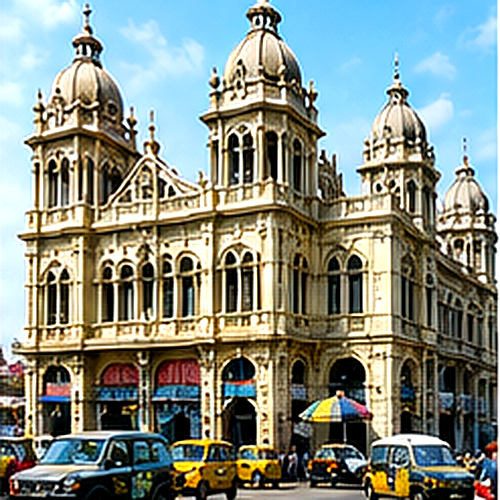
Spencer’s began on Mount Road in 1863 and grew into one of colonial India’s most celebrated department stores. The original building reportedly housed more than 80 departments, selling everything from household goods to automobiles.
The magnificent Indo-Saracenic structure was destroyed by fire in 1983. Today, Spencer Plaza stands on the site, while the original building remains a cherished part of Chennai’s lost architectural heritage.
3. Gemini Studios
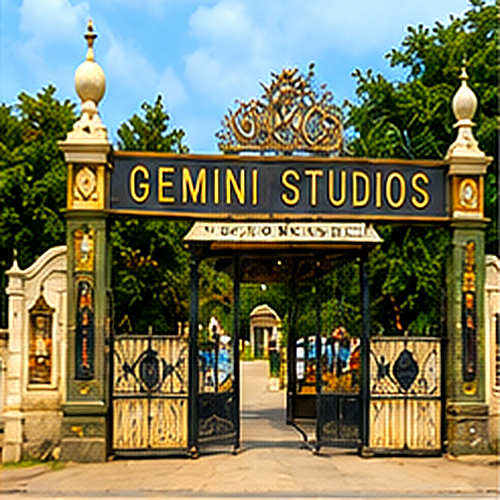
Founded by legendary film producer S. S. Vasan, Gemini Studios was once one of the most important centres of South Indian cinema. Known for its grand sets and large-scale productions, the studio attracted actors, politicians, governors and visitors from around the world.
The studio eventually closed following labour and ownership disputes. While the physical complex disappeared, its legacy survives in the name Gemini Circle, one of Chennai’s best-known landmarks.
4. The Original Marmalong Bridge
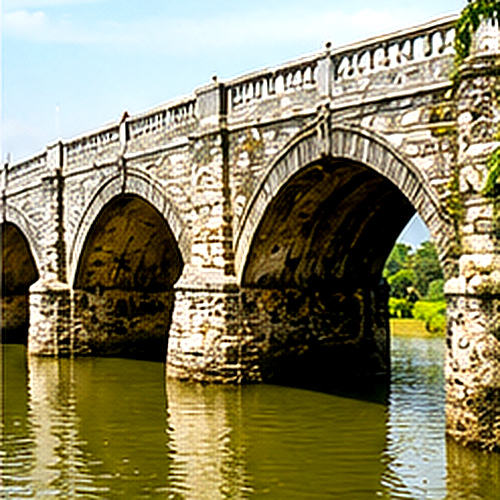
The original Marmalong Bridge across the Adyar River at Saidapet w was built in 1726 by Armenian merchant and philanthropist Coja Petrus Uscan. It played an important role in improving access between Madras and the southern parts of the region, including St. Thomas Mount.
The ageing bridge was eventually declared unsafe and demolished in 1966. Today, a commemorative plaque near the newer bridge preserves the memory of the historic crossing.
5. The Bulwark of Madras
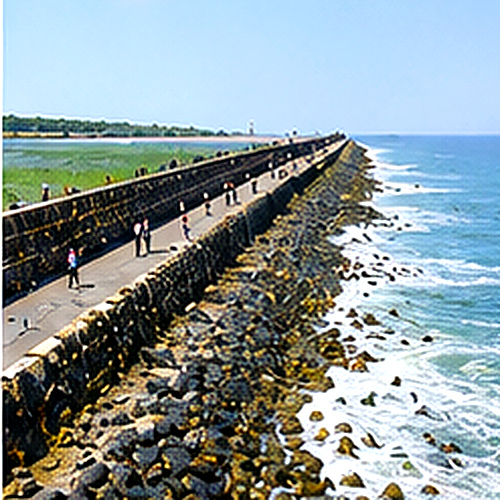
Before the Marina developed into the coastline we know today, parts of Madras were vulnerable to high tides and seawater flooding. A massive protective wall, known as the Bulwark, once stretched for nearly two miles between the Fort and the coastal region.
With the development of Madras Harbour and the formation of the beach, the wall gradually became unnecessary and disappeared. Remains of its foundations were reportedly discovered during excavations near the Reserve Bank of India building.
6. The Great Town Wall
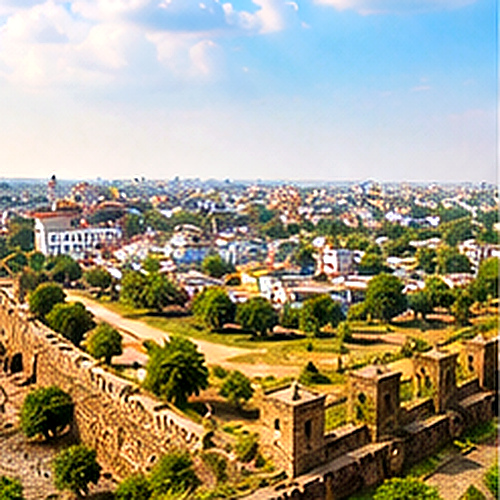
The British constructed a defensive wall around Black Town, the settlement north of Fort St. George. The wall was intended to protect the growing town during periods of military conflict.
However, as Madras expanded, the unfinished structure became an obstacle to development. Much of it was eventually demolished, while Wall Tax Road continues to preserve the memory of the tax associated with its construction.
7. Mount Road Round Tana
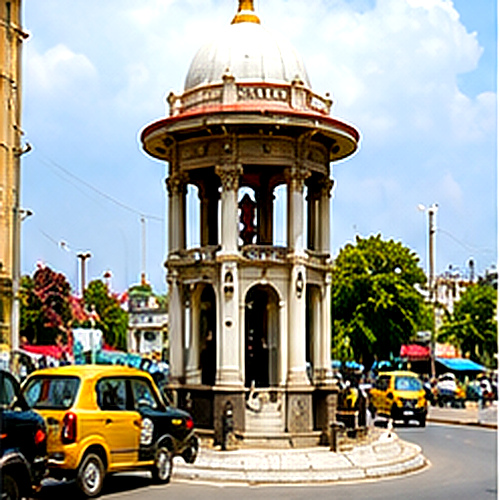
The Round Tana was once a distinctive circular police outpost at an important junction connecting Mount Road, the Fort, Egmore and the beach.
A fountain installed nearby by the Maharajah of Vizianagaram in 1887 later became another prominent landmark. As traffic increased and Mount Road was widened, the structure disappeared. Today, the original Round Tana survives mainly through old photographs and historical accounts.
8. Vizianagaram Fountain
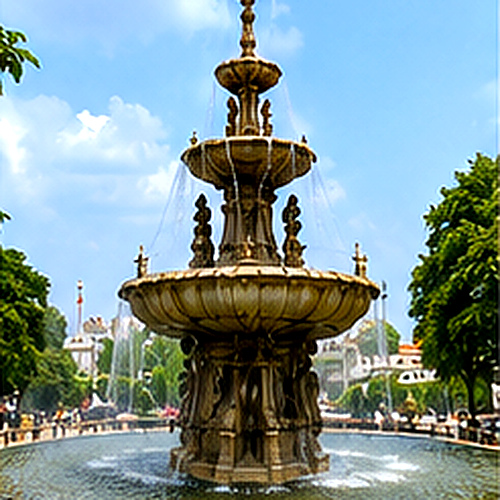
Built in 1887 to commemorate Queen Victoria’s Golden Jubilee, the Vizianagaram Fountain served as a public drinking-water facility and was reportedly around 40 feet tall.
As the surrounding junction became increasingly congested, the fountain was dismantled. Although there were plans to relocate and reconstruct it, the structure eventually disappeared from Chennai’s public landscape.
9. Government House
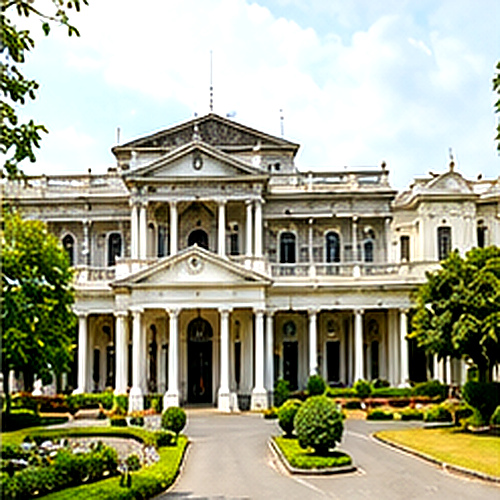
The original Government House began as a garden residence in the eighteenth century before being expanded into an important administrative and residential complex for the Governors of Madras.
After Independence, the building served several public purposes, including functioning as an MLA hostel. It was demolished in 2008 to make way for the new Secretariat complex, leaving behind another significant chapter of Chennai’s administrative history.
10. Government Estate Buildings
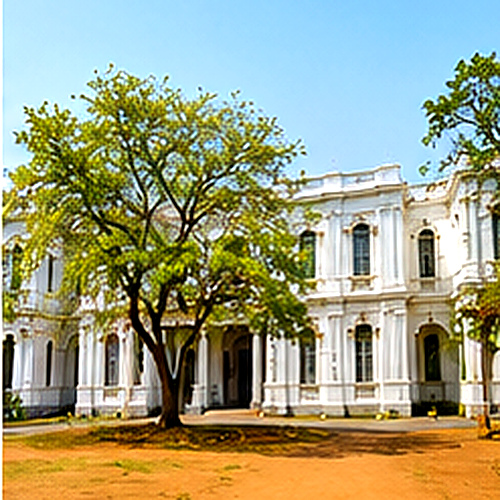
The Government Estate near Mount Road once included several historic structures, including Government House, Gandhi Illam, Cooum House and the estate gates.
Many of these buildings were demolished during the development of the new Assembly and Secretariat complex. Their disappearance removed an important part of the city’s administrative and architectural heritage.
11. Ramakoti Building
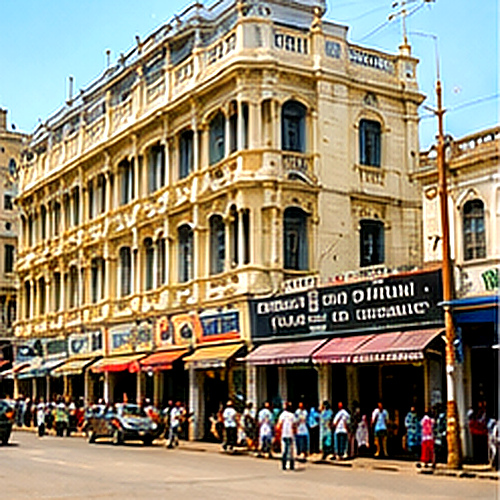
Located in the Rattan Bazaar area, Ramakoti Building was associated with Raja Sir Savalai Ramaswami Mudaliar and played a role in the early history of Indian-owned business institutions in Madras.
The Indian Bank operated there during its early years, and important meetings of the South India Chamber of Commerce were also held on the premises. Today, there is no confirmed visible trace of the historic building.
12. The Old Masonic Lodge and Pioneer Laundry Building
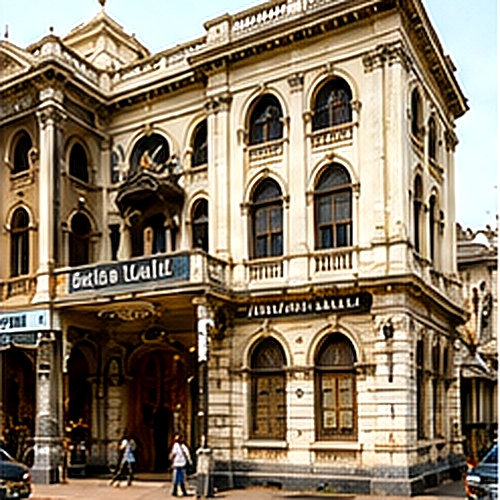
A historic building near Mount Road once housed Masonic organisations. Over time, part of the structure became home to Pioneer Laundry, while another section was occupied by the well-known auction house Murray & Co.
Standing beside the LIC complex for many years, the building was a distinctive reminder of colonial-era Chennai. Its demolition in 2015 brought an end to more than a century of institutional history.
13. The Original Harrisons
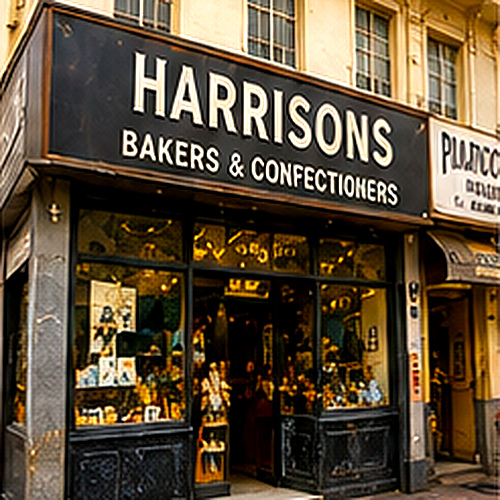
Established in 1891, Harrisons became famous for its bakery products, cakes and non-vegetarian cuisine. Its building on Broadway, now known as Prakasam Salai, was a familiar landmark for generations of Chennai residents.
The business later shifted locations and eventually clolosed. For many older residents, Harrisons remains closely associated with family celebrations, special meals and memorable outings.
14. Jafar’s Ice Cream Parlour
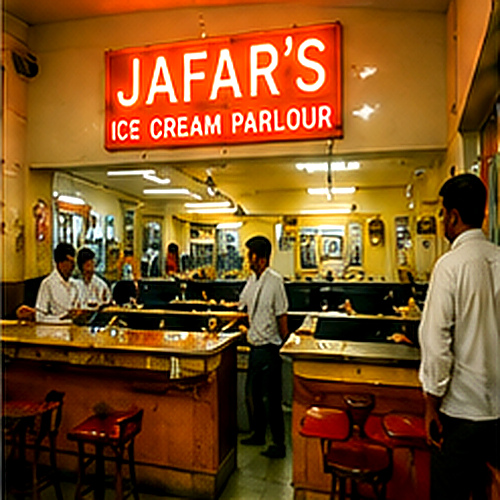
Jafar’s Ice Cream Parlour, located inside the Elphinstone Theatre on Mount Road, was once a favourite destination for families and cinema-goers. Its soda fountain and ice creams became part of the experience of visiting the theatre.
After the Elphinstone Theatre was demolished, the parlour shifted to Wallers Road in Chintadripet. It eventually closed as competition increased and consumer preferences changed.
15. Elphinstone Theatre
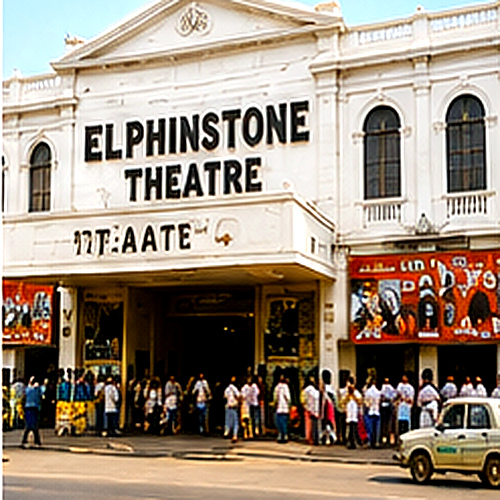
The Elphinstone Theatre was once an important entertainment destination on Mount Road. Beyond cinema, it was also remembered as the home of Jafar’s famous ice-cream parlour.
When the theatre was eventually demolished, Chennai lost not just a building but a familiar social experience that had brought together films, food and family outings.
16. Arya Bhavan on Govindappa Naicken Street
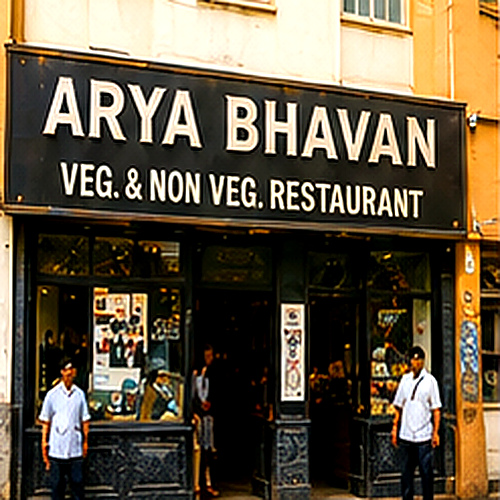
The old Arya Bhavan was one of Madras’s well-known North Indian restaurants. Despite its identity, customers were particularly fond of dishes such as sambar idli and Mysore bonda.
Located on Govindappa Naicken Street, the restaurant eventually disappeared. Today, it remains part of the remembered food culture of old George Town, when traditional eateries also served as important social meeting places.
17. MECO House
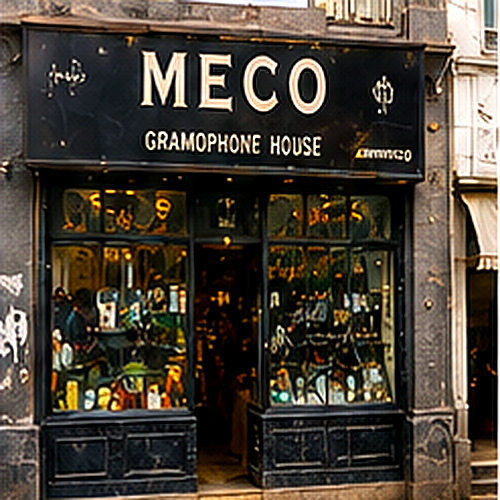
MECO, short for Mohamed Ebrahim and Company, began as a gramophone-record shop in Rattan Bazaar. Later known as Gramophone House, it became a popular destination for music equipment and recordings.
The company eventually moved to a larger showroom on Anna Salai before fading away. Its story reflects the transformation of Chennai’s music culture from gramophone records to modern technology and mass-market electronics.
18. Klein and Peyerl Photography Studio
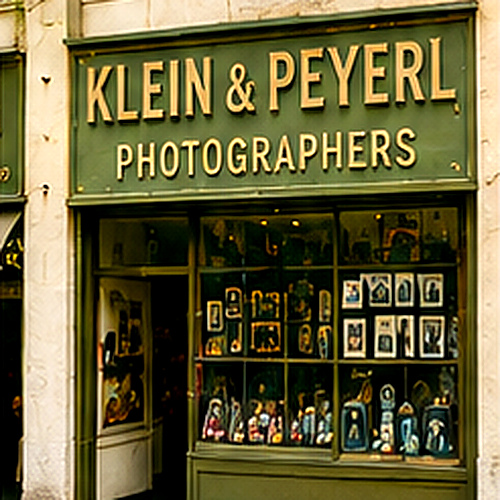
Klein and Peyerl was a respected photography studio on Anna Salai that was established during the colonial period. The firm received recognition at the Madras Fine Arts E Exhibition in 1890 and continued to serve customers for many decades.
The studio finally closed in the 1990s, marking the end of an era when professional portrait studios played an important role in family, business and public life.
19. Agri College at Saidapet
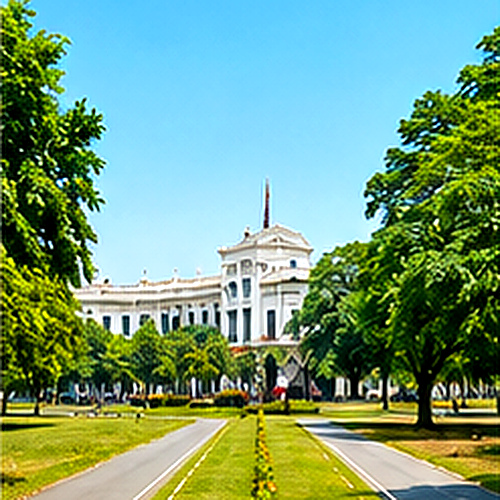
The agricultural institution at Saidapet began as a large experimental farm, where modern farming equipment was demonstrated, crops were cultivated and agricultural education was promoted.
As Chennai expanded, much of the surrounding land was absorbed for urban development. The college was eventually shifted to Coimbatore, where it became part of the institution that developed into Tamil Nadu Agricultural University.
20. Old Black Town
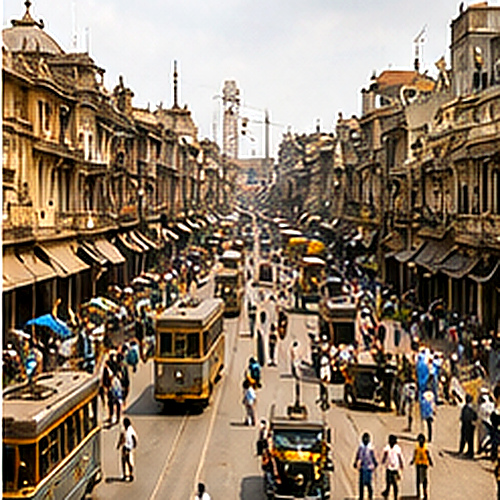
Old Black Town was the indigenous settlement immediately north of Fort St. George. It was a densely populated area filled with markets, homes, religious institutions and commercial streets.
Over time, the settlement underwent major changes as parts of it were demolished and new roads and urban layouts were introduced. Modern George Town retains elements of its commercial character and street network, but Old Black Town as a distinct historical space now survives largely in maps, archives and collective memory.
Landmarks That Are Not Completely Lost
Some of Chennai’s historic structures have not disappeared entirely but have been severely altered, neglected or left in a deteriorating condition. These include the Bharat Insurance Building, Wellesley House, King’s Barracks, Sadr Court and Gokhale Hall.
Their condition serves as a reminder that heritage can be lost gradually not only through demolition, but also through neglect and irreversible transformation.
Why Did These Places Disappear?
The disappearance of many of Chennai’s historic landmarks can be linked to several factors:
1. Road widening and traffic growth: Structures such as the Round Tana were removed to accommodate modern transportation needs.
2. Fire and redevelopment: Moore Market and the original Spencer’s building were destroyed by fire and later replaced through redevelopment.
3. Real-estate pressure: Large and centrally located heritage properties became valuable sites for commercial and government projects.
4. Neglect: Some historic structures deteriorated over decades because of delayed maintenance and conservation.
5. Changing consumer habits: Businesses such as Jafafar’s, MECO and Klein and Peyerl struggled to survive changing technology, competition and customer preferences.
6. Institutional relocation: Places such as the Agri College moved away as Chennai expanded and absorbed their original surroundings.
Chennai’s heritage is not limited to its famous monuments and surviving historic buildings. A bustling market, a beloved restaurant, an old cinema, a bridge or even a photography studio can become part of a city’s identity.
That is why the loss of these everyday landmarks matters. They were more than buildings or businesses they were part of people’s routines, memories and shared experiences. For many longtime residents, they represent a Chennai that can no longer be seen, but continues to live on through stories, photographs and memory.
Top Stories
-
 October 26, 2026 Panchangam: Auspicious Timings, Rahu Kalam, Yamagandam & Nalla Neram24/Oct/2026 6:29:12 PM
 -
 Tomorrow Panchangam October 25, 2026 | Auspicious Timings, Rahu Kalam, Gulikai24/Oct/2026 6:28:07 PM
 -
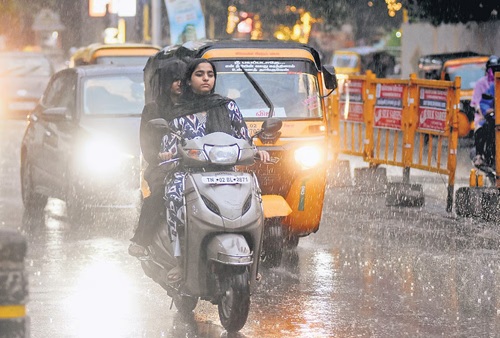 Tamil Nadu Weather Alert: Red Alert for Nilgiris, Heavy Rain Forecast for Chennai24/Oct/2026 6:08:45 PM
 -
 Bigg Boss Tamil 10: Ramya Krishnan to Host This Week Instead of Vijay Sethupathi24/Oct/2026 4:42:45 PM
 -
 Tamil Nadu to Provide Free Hero Cycles to Government School Students Under ₹390 Crore Scheme24/Oct/2026 4:33:23 PM
 -

 JB Soft System