
Chennai Makes Functional Rainwater Harvesting Systems Mandatory for Building Completion Certificates
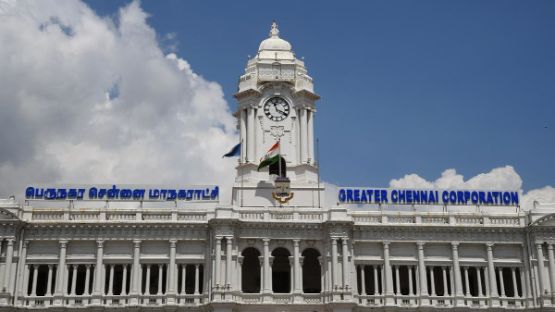
The Greater Chennai Corporation has announced stricter rules to ensure that rainwater harvesting systems installed in buildings are fully functional. Building completion certificates will only be issued after officials verify that rainwater actually flows into the ground through the harvesting structure.
Chennai Corporation Commissioner Sameeran announced this during a multi-stakeholder consultation organised as part of the city`s new rainwater conservation initiative, called `Thuli`, launched by Chief Minister Vijay.
Rainwater Harvesting Systems Found in Only 6 Lakh Buildings
Chennai has approximately 17 lakh property tax assessments covering residential and commercial properties.
A survey conducted last year by the Chennai Metropolitan Water Supply and Sewerage Board (CMWSSB) covered around 10 lakh residential and commercial premises. The survey found that only 6 lakh locations had functional rainwater harvesting systems, highlighting the need for wider implementation.
The corporation aims to bring rainwater harvesting facilities into working condition in approximately 13 to 14 lakh buildings where installation is feasible, with particular attention to large buildings and commercial establishments.
Chennai Requires 1,246 Million Litres of Water Every Day
According to the Commissioner, Chennai`s daily water requirement is approximately 1,246 million litres.
The city`s water supply comes from the following sources:
- 80% from surface water sources, including Poondi, Puzhal, Cholavaram, Thervoy Kandigai and Chembarambakkam reservoirs.
- 12% from desalination plants that convert seawater into drinking water.
- 6% from groundwater sources.
The Commissioner highlighted that groundwater currently accounts for only a small share of Chennai`s overall water supply.
He also pointed out that groundwater levels have been declining over the years. While water levels had previously reached depths of around 6 to 7.9 metres during periods of higher rainfall, recent measurements indicate a level of approximately 5.6 metres.
The initiative aims to improve groundwater recharge and prevent future drinking water shortages.
Rainwater Harvesting to Become Mandatory for New Buildings
The Chennai Corporation will make rainwater harvesting systems compulsory when granting planning permission for new buildings.
Under the revised enforcement approach, officials will not simply check whether a rainwater harvesting structure exists. They will conduct a practical test by pouring water into the system to confirm that it properly percolates into the ground.
A building completion certificate will be issued only after the system passes this functionality test.
Previously, officials would generally verify the presence of a rainwater harvesting structure through a basic checklist. Under the new instructions, its actual working condition must be physically tested before approval is granted.
The Commissioner said strict instructions had been issued to ensure that these checks are properly implemented.
Corporation to Restore Rainwater Harvesting Systems in Public Properties
As part of the initiative, the corporation also plans to repair and restore rainwater harvesting structures in:
- More than 1,000 public parks across Chennai.
- 1,858 Greater Chennai Corporation buildings.
The objective is to bring these existing systems back into effective use and improve groundwater recharge across the city.
Strict Action Against Buildings Violating the Rules
The Commissioner said the initial focus would be on creating public awareness and encouraging residents to maintain rainwater harvesting systems.
However, enforcement measures will follow if necessary.
For new constructions, buildings that violate the prescribed requirements will not receive planning permission or building completion certificates.
The corporation aims to make approximately 70% of the buildings across Chennai equipped with functional rainwater harvesting systems through a phased implementation plan.
The `Thuli` initiative will involve construction associations, CREDAI, Chennai Metro Water, residents` welfare associations, their federations, various civic departments and non-governmental organisations.
More than 500 participants took part in the half-day consultation organised to coordinate efforts and strengthen rainwater conservation across the city.
Top Stories
-
 Tamil Nadu Government Creates 1,695 New Nursing Posts in Government Hospitals20/Nov/2026 9:38:31 AM
-
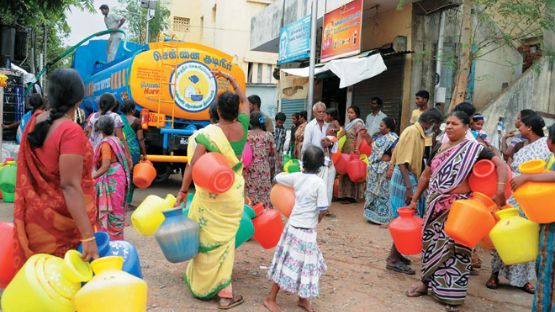 Chennai Faces Growing Water Crisis as Northeast Monsoon Rainfall Falls Short20/Nov/2026 9:34:07 AM
-
-
 Power Shutdown Areas in Chennai - Saturday (21.11.2026)19/Nov/2026 6:21:56 PM
-
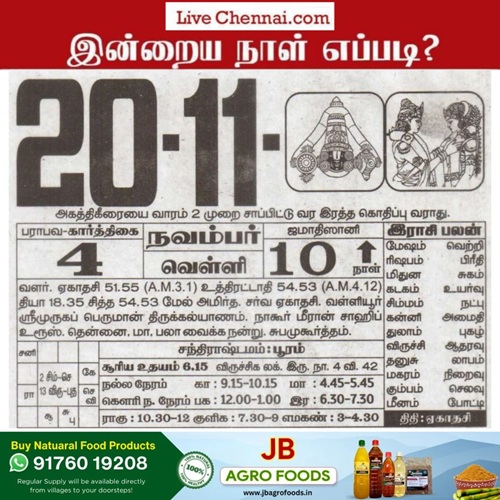 Tomorrow Panchangam November 20, 2026 | Auspicious Timings, Rahu Kalam, Gulikai19/Nov/2026 5:46:38 PM
-
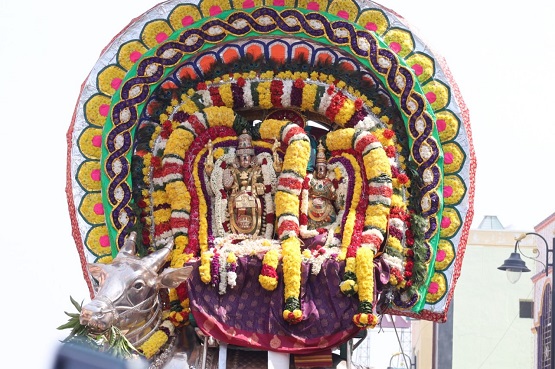 Tiruvannamalai Karthigai Deepam Festival - Divine 5th Day Morning Procession19/Nov/2026 5:44:26 PM

 JB Soft System