
Winter Cough in Kids: Causes, Types and Home Care Tips
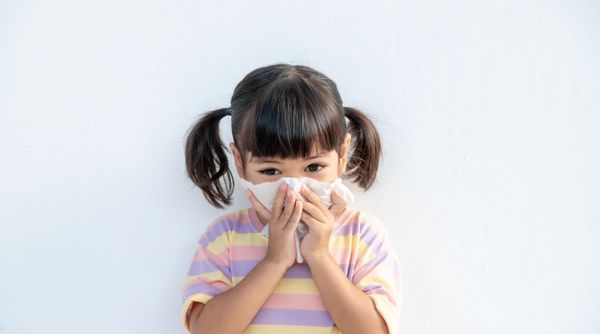
Coughing is common among children during winter. Cold and dry air, indoor heating, dust and the spread of respiratory infections can all contribute to increased coughing. A cough may cause discomfort and disturb a child’s sleep, but understanding its possible causes and knowing how to provide basic care can help parents manage the symptoms.
Why Do Children Cough More During Winter?
Cold weather can make the air drier, which may irritate the throat and airways. Indoor heating can further reduce moisture in the air and increase throat irritation.
Children also spend more time indoors during winter, increasing their exposure to infections in places such as schools, buses and play areas. Since children’s immune systems are still developing, they may be more susceptible to respiratory infections.
Children also have smaller airways than adults. Even mild swelling or mucus can irritate the airways and trigger coughing. Coughing is a natural response that helps clear mucus and other irritants from the respiratory passages.
Common Types of Winter Cough in Children
Dry cough: This cough does not produce mucus and may occur due to throat irritation, cold air or allergies.
Wet cough: A wet or productive cough produces mucus and may sound heavy or rattling as the body tries to clear secretions from the airways.
Night-time cough: Some children may cough more at night. Cold air, lying down or indoor irritants such as dust can make the symptoms worse.
Cough with wheezing: A cough accompanied by a whistling sound while breathing may indicate airway sensitivity and should be evaluated by a healthcare professional.
Parents can note when the cough occurs, how long it lasts and whether it is dry or produces mucus. This information can be useful when seeking medical advice.
Common Winter Triggers
Several everyday factors can make coughing worse during winter, including:
- Breathing very cold air while playing outdoors
- Sudden changes between cold outdoor and warm indoor temperatures
- Exposure to incense smoke, room fresheners or other strong smells
- Dust from carpets, blankets and heating equipment
- Close contact with people who have respiratory infections
- Not drinking enough fluids
Reducing exposure to these triggers may help ease repeated coughing.
Warning Signs Parents Should Not Ignore
Most mild coughs improve with time and supportive care. However, parents should seek medical attention if a child develops:
- Fast or difficult breathing
">- Persistent or high fever
- Bluish lips or face
- Refusal to eat or drink
- Unusual sleepiness or significant irritability
- Repeated vomiting along with coughing
- A cough that continues for more than two weeks
If a child appears unusually unwell or their condition changes significantly, medical advice should be sought promptly.
When Could a Winter Cough Indicate an Underlying Condition?
A frequent or persistent winter cough can sometimes be associated with conditions such as allergies, asthma, sinus problems or repeated respiratory infections.
Children who frequently experience coughing or breathing symptoms may need medical evaluation to identify the underlying cause, particularly if the symptoms return regularly during cold weather.
Home Care Tips for Winter Cough
Simple supportive measures may help keep children comfortable while they recover:
- Encourage regular fluid intake, including warm fluids if comfortable.
- Make sure the child gets enough rest and sleep.
- Keep the air comfortable and avoid exposure to smoke.
- Offer soft, easy-to-swallow foods if the throat is irritated.
- Avoid giving cough syrups or other medicines without appropriate medical advice.
If the cough keeps returning or the child requires medicines frequently, consult a healthcare professional for proper evaluation.
Everyday Habits to Reduce Winter Cough
Parents can encourage children to follow simple habits during winter:
- Teach children to cover their mouth and nose when coughing or sneezing.
- Encourage regular handwashing.
- Dress children appropriately for cold weather.
- Keep indoor spaces clean and adequately ventilated.
- Avoid cigarette smoke, incense and strong perfumes.
- Encourage children to drink enough water throughout the day.
When to Seek Medical Help Immediately
Medical attention should not be delayed if a child experiences:
- Noisy or difficult breathing
- Chest pain while coughing
- Signs of dehydration
- Blood in the mucus
- High fever that does not improve
- Persistent symptoms in very young children
Disclaimer
This article is for general informational purposes only and should nonot be considered a substitute for professional medical advice, diagnosis, or treatment.
Top Stories
-
 SP Balasubrahmanyam Death Anniversary: Remembering the Legendary Singer and His Evergreen Voice25/Sep/2026 11:04:44 AM
 -
Winter Cough in Kids: Causes, Types and Home Care Tips
25/Sep/2026 11:01:15 AM -
 Tamil Nadu Weather Update: Rain Expected in Chennai and Northern Districts on September 25–2625/Sep/2026 11:00:59 AM
 -
 Union Bank of India Customers Alert: Banking Services May Be Affected on September 28–3025/Sep/2026 10:51:45 AM
 -
 Purattasi Pournami Girivalam in Progress: Auspicious Time Continues Until 11:06 AM Today25/Sep/2026 10:40:54 AM
 -
 TN Schools to Reopen on October 5 After Quarterly Exam Vacation25/Sep/2026 10:15:30 AM

 JB Soft System