
Chennai Air Pollution After Deepavali: AQI Crosses 1,200 as Firecracker Smoke Worsens Air Quality
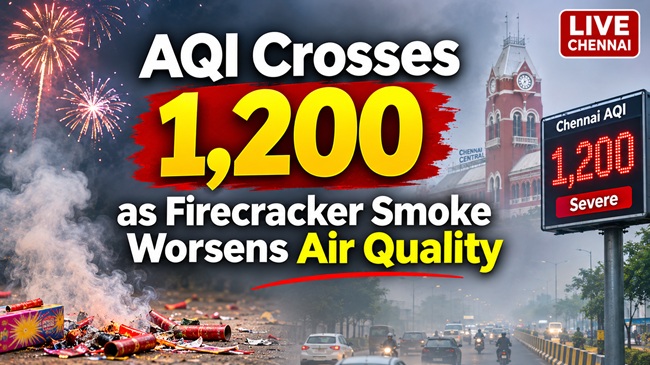
Air pollution levels in Chennai reached alarming levels during Deepavali 2026, with the reported Air Quality Index (AQI) crossing 1,200 around 10 pm on Sunday despite intermittent rainfall. The pollution peak was nearly twice the level recorded during last year`s Deepavali celebrations, highlighting the growing environmental impact of firecracker emissions.
The severity of the pollution spike was also compared to the impact of smoking approximately 40–55 cigarettes a day, raising concerns about the potential health risks to residents, particularly children, senior citizens and people with respiratory conditions.
Rain Provides Temporary Relief from Chennai Air Pollution
Deepavali celebrations in Chennai began on a relatively subdued note on Sunday morning as rainfall in several parts of the city disrupted the usual early-morning tradition of bursting firecrackers.
The showers provided temporary relief by settling suspended dust particles and reducing the immediate concentration of smoke in the atmosphere. However, the rainfall did little to discourage residents from continuing their celebrations later in the day.
As evening approached, people continued bursting firecrackers despite intermittent rainfall in some neighbourhoods. The continuous release of smoke and pollutants eventually caused a sharp deterioration in air quality, with the reported AQI crossing 1,200 around 10 pm. This was significantly higher than the peak of approximately 786 recorded during Deepavali celebrations last year.
Chennai Records Average AQI of 343 on Deepavali
According to data released by the Tamil Nadu Pollution Control Board (TNPCB), Chennai recorded an average AQI of 343 on Deepavali.
Valasaravakkam reportedly recorded the highest AQI in Tamil Nadu. Beyond the Chennai, Kancheepuram, Tiruvallur and Chengalpattu (KTCC) region, the Rayapuram area in Tiruppur also recorded an AQI of 233.
TNPCB data for November 9 showed that several Chennai neighbourhoods continued to experience poor air quality even after the major celebrations.
The recorded AQI levels included:
Manali: 277
Arumbakkam: 264
Kodungaiyur: 220
Velachery: 202
These readings indicate that firecracker-related air pollution remained a concern across several parts of Chennai even after Deepavali.
Firecracker Smoke Raises Health Concerns
Firecrackers release significant quantities of particulate matter, particularly PM2.5 and PM10, along with various harmful gaseous pollutants.
PM2.5 particles are particularly dangerous because of their extremely small size. They can penetrate deep into the lungs and may even enter the bloodstream, potentially affecting overall health.
PM10 particles can also enter the respiratory system and cause breathing difficulties and other respiratory problems.
Exposure to elevated levels of air pollution may increase health risks, especially for children, senior citizens and people with asthma or other respiratory conditions.
Chennai Faces Growing Air Pollution Concerns After Deepavali
The sharp rise in Chennai`s AQI during Deepavali highlights the environmental challenges associated with firecracker celebrations.
Although rainfall provided temporary relief, it was not sufficient to prevent a significant deterioration in air quality as celebrations continued throughout the day and night.
The latest pollution readings underline the importance of reducing firecracker emissions and taking preventive measures to protect public health and improve air quality across Chennai.
Top Stories
-
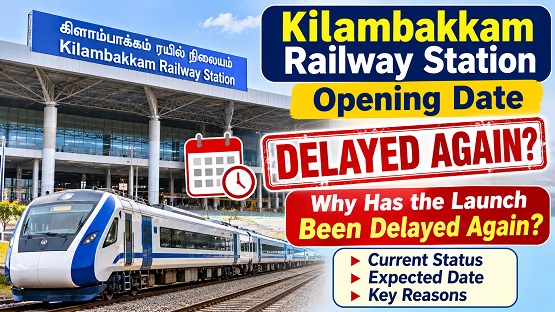 Kilambakkam Railway Station Opening Date: Why Has the Launch Been Delayed Again?10/Nov/2026 10:14:02 AM
-
 Chennai Region to Get 25-Year Infrastructure Development Plan Covering GCC, Avadi and Tambaram10/Nov/2026 10:12:20 AM
-
-
 Chennai Gold Rate Today, November 10, 2026: 22K Gold Falls by ₹45 Per Gram10/Nov/2026 9:47:45 AM
-
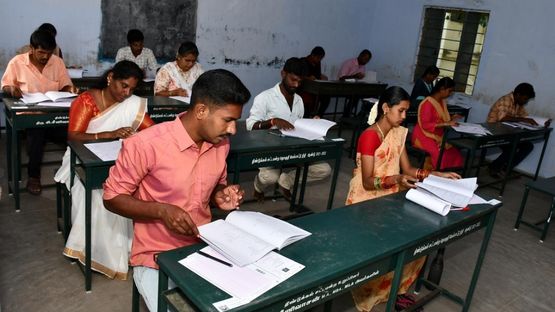 TNPSC Group 4 Exam 2026: 14.89 Lakh Candidates Apply for 6,574 Vacancies10/Nov/2026 9:45:16 AM
-
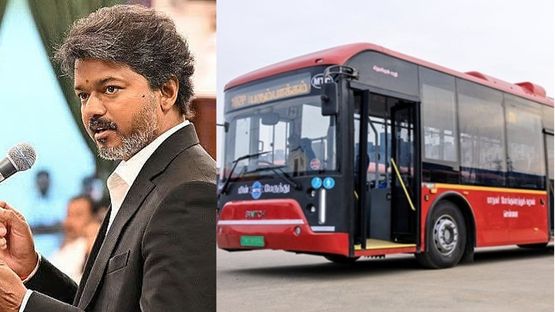 CM Vijay Approves 1,000 New AC Electric Buses for Chennai MTC Fleet10/Nov/2026 9:35:49 AM

 JB Soft System