
Diabetes in India: 3.86 Crore People May Be Unaware They Have the Disease
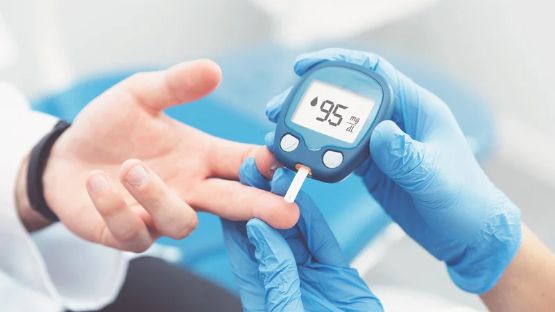
Diabetes continues to be a major health concern in India. A recent study has highlighted the large number of people living with diabetes who may not yet know that they have the condition.
According to the figures cited in the report, around 8.98 crore people in India are living with diabetes, while approximately 3.86 crore people may be unaware that they have the disease. This means a substantial proportion of people with diabetes may remain undiagnosed.
Why Is Undiagnosed Diabetes a Concern?
Diabetes can develop gradually, and some people may not experience noticeable symptoms during the early stages. As a result, they may continue with their daily routine without realising that their blood glucose levels are elevated.
When diabetes remains undiagnosed, appropriate treatment and lifestyle changes may be delayed. Over time, poorly controlled blood sugar can increase the risk of several health complications.
Common Symptoms of Diabetes
Some people with high blood sugar may experience symptoms such as:
- Increased thirst
- Frequent urination
- Unusual tiredness
- Increased hunger
- Unexplained weight loss
- Blurred vision
- Slow-healing wounds
- Frequent infections
However, symptoms can vary, and some people may have few or no obvious symptoms. Therefore, blood sugar testing is important, particularly for people who have risk factors for diabetes.
Who Should Consider Diabetes Testing?
People with a family history of diabetes, excess body weight, high blood pressure, abnormal cholesterol levels or low physical activity may have a higher risk of developing type 2 diabetes.
Regular health check-ups can help identify elevated blood sugar before symptoms become noticeable. The appropriate frequency of testing depends on age, risk factors and individual health conditions.
Why Early Detection Matters
Identifying diabetes early allows people to take appropriate steps to manage blood glucose levels. Depending on the individual`s condition, management may include changes in diet, regular physical activity, weight management and prescribed medication.
Regular monitoring can also help reduce the risk of long-term complications associated with uncontrolled diabetes.
When Should You Consult a Doctor?
Anyone experiencing persistent symptoms such as excessive thirst, frequent urination, unexplained weight changes or unusual tiredness should consider consulting a healthcare professional.
Even without symptoms, people with diabetes risk factors can discuss appropriate blood sugar screening with their doctor.
Early detection and proper management can play an important role in maintaining overall health and reducing diabetes-related complications.
Disclaimer: This article is for general informational purposes only and should not be considered a substitute for professional medical advice, diagnosis or treatment.
Top Stories
-
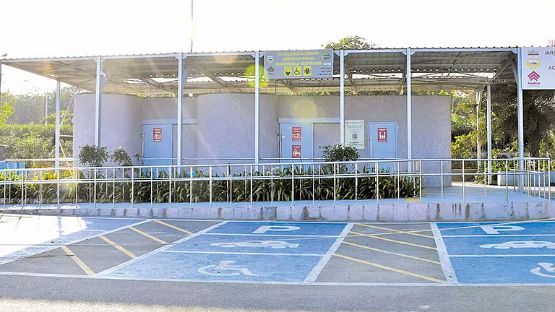 Chennai Corporation Opens Free Public Toilets at 853 Locations Across the City16/Nov/2026 10:02:14 AM
-
-

-
Diabetes in India: 3.86 Crore People May Be Unaware They Have the Disease16/Nov/2026 9:49:49 AM
-

-
 Anna University Offers Free Five-Day AI Cybersecurity Course: Apply by November 3016/Nov/2026 9:37:42 AM

 JB Soft System