
Ear Boils: Causes, Symptoms, Treatment and Prevention
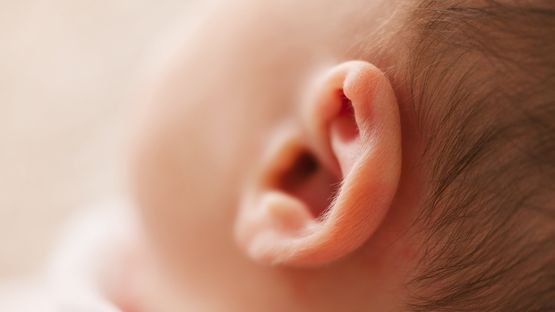
A painful bump in or around the ear may sometimes be a boil. An ear boil is usually a tender, red lump that develops when bacteria infect a hair follicle. Because the ear canal is sensitive, a boil in this area can cause significant discomfort and may sometimes affect hearing if it blocks the canal.
It is important not to squeeze, puncture, scratch or attempt to cut open a boil, as this can worsen the infection or cause it to spread.
What Does an Ear Boil Look and Feel Like?
An ear boil may appear as a red, swollen or firm lump. As it develops, it may become more painful and sometimes form a white or yellow centre containing pus.
A boil inside the ear may cause pain that extends toward the jaw or surrounding areas. Some people may also experience temporary hearing difficulty if swelling blocks part of the ear canal.
However, not every bump in or around the ear is a boil. Pimples, irritation and other skin or ear conditions can cause similar symptoms.
What Causes Ear Boils?
Ear boils commonly develop when bacteria enter a hair follicle and cause an infection. Staphylococcus bacteria, including Staphylococcus aureus, are among the common causes of skin boils.
The risk may increase in areas where there is hair, sweating or repeated irritation. Scratching or damaging the skin inside the ear can also make it easier for bacteria to enter.
Boils can occur in other areas of the body as well, including the neck, face, armpits, thighs and buttocks.
How Are Ear Boils Treated?
Some small boils may heal on their own. Keeping the outer ear area clean and avoiding further irritation can help support healing.
A warm compress may help reduce discomfort and encourage natural drainage. However, care should be taken when applying anything near the ear canal.
Do not squeeze, pop, puncture or cut open an ear boil. Avoid inserting fingers, cotton swabs, tweezers or other objects into the ear, as the delicate skin of the ear canal can be easily injured.
If the boil is large, very painful, recurrent or does not improve, a healthcare professional may need to examine it. Depending on the infection, professional treatment may include drainage or medication.
When Should You See a Doctor?
Medical attention is recommended if the boil is extremely painful or continues to get worse, does not improve within about two weeks, keeps coming back, or is accompanied by a fever or a general feeling of being unwell.
You should also seek medical attention if there is significant swelling around the ear, hearing becomes affected, or there is discharge from the ear.
Can Ear Boils Be Prevented?
Good hygiene and avoiding unnecessary irritation of the ear can hehelp reduce the risk of skin infections. Clean the outer ear gently during bathing, but avoid inserting objects into the ear canal.
If you frequently develop boils, a healthcare professional can help identify possible underlying causes and recommend appropriate preventive measures.
Disclaimer: This article is for general informational purposes only and should not be considered a substitute for professional medical advice, diagnosis, or treatment.
Top Stories
-
 Tomorrow Panchangam October 08, 2026 | Auspicious Timings, Rahu Kalam, Gulikai07/Oct/2026 5:54:08 PM
 -
 University of Colorado Denver to Set Up Campus in Hyderabad07/Oct/2026 5:48:00 PM
 -
 KCG College of Technology: Courses, Fees, Eligibility and Ranking07/Oct/2026 5:40:45 PM
 -
 Smart Home in Chennai: How to Build a Connected Home Without Overspending07/Oct/2026 4:56:14 PM
 -
 Bigg Boss Tamil 10: Muniyamma Gets Emotional After Receiving Food From Akshitha07/Oct/2026 4:47:43 PM
 -
 Gold Falls While Silver Rises: What Investors Should Know07/Oct/2026 4:29:36 PM

 JB Soft System