
Diwali 2026: Kedara Gowri Vratam Significance, Rituals and Lakshmi Kubera Pooja at Home
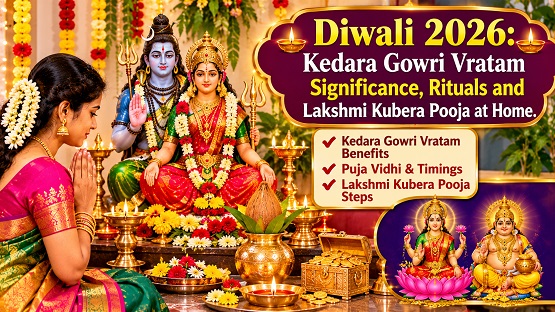
Diwali is a festival of lights that represents the victory of good over evil and the removal of darkness. Apart from lighting lamps and celebrating with family, devotees observe special religious rituals and offer prayers to Goddess Lakshmi, Lord Kubera, Lord Shiva and Goddess Parvati.
Kedara Gowri Vratam is one of the important religious observances associated with Diwali. Here is a look at its significance, fasting traditions, Diwali spiritual importance and the steps to perform Lakshmi Kubera Pooja at home.
What Is Kedara Gowri Vratam?
Kedara Gowri Vratam is a traditional Hindu religious observance dedicated to Lord Shiva and Goddess Parvati.
According to spiritual beliefs, Goddess Parvati observed this vratam to attain a place in Lord Shiva`s Ardhanarishvara form.
Kedara Gowri Vratam 2026: Fasting and Rituals
Traditionally, Kedara Gowri Vratam begins on Ashtami or Dashami in the Tamil month of Purattasi and continues for 21 days, ending on Aippasi Amavasya, which falls on Diwali.
However, the duration and method of observing the vratam vary according to family traditions.
Some devotees observe the vratam for:
- 21 days
- 9 days
- 5 days
- 3 days
- One day on Diwali Amavasya
Significance of Kedara Gowri Vratam
- Worshipping Lord Shiva and Goddess Parvati.
- Praying for family unity and marital happiness.
- Seeking prosperity and a peaceful family life.
- Performing special poojas and wearing the sacred vratam thread.
Spiritual Significance of Diwali
Diwali means a row of lights. The festival symbolises the victory of good over evil, hope over darkness and positivity over negativity.
Narakasura Vadham
According to Hindu mythology, Lord Krishna and Satyabhama defeated Narakasura, who had troubled people. His defeat is traditionally associated with Diwali celebrations.
Worship of Goddess Lakshmi
Worshipping Goddess Lakshmi on Diwali Amavasya is a traditional practice. Devotees seek blessings for wealth, prosperity, happiness and family well-being.
Lighting of Traditional Lamps
Lighting oil lamps at the entrance, in the pooja room and around the house is an important Diwali tradition. It represents the removal of darkness and the arrival of positivity.
How to Perform Lakshmi Kubera Pooja at Home
Lakshmi Kubera Pooja is performed during Diwali to seek the blessings of Goddess Lakshmi and Lord Kubera.
The following are the traditional steps:
1. Clean the house and draw a kolam in the pooja area.
2. Place the pictures or idols of Goddess Lakshmi, Lord Ganesha and Lord Kubera.
3. Decorate the pooja area with flowers.
4. Arrange turmeric, kumkum, sandalwood paste, fruits and sweets as offerings.
5. Light ghee or oil lamps.
6. Recite prayers, mantras or devotional hymns according to family traditions.
7. Offer prayers with family members and distribute prasadam.
Conclusion
Diwali is celebrated with devotion, traditional rituals and family gatherings. Observing Kedara Gowri Vratam, worshipping Goddess Lakshmi and Lord Kubera, and lighting traditional lamps a are important spiritual practices associated with the festival. Devotees can follow their family customs while performing these rituals.
Top Stories
-
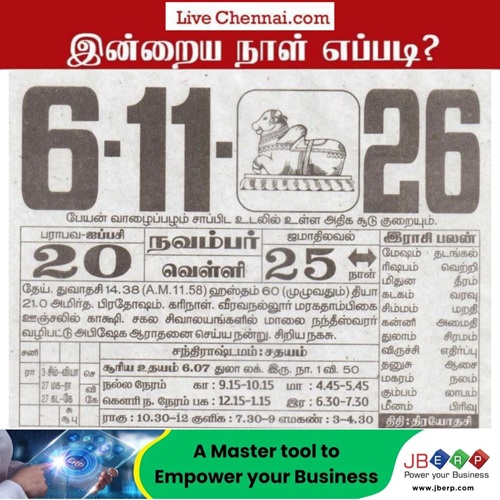 Tomorrow Panchangam November 06, 2026 | Auspicious Timings, Rahu Kalam, Gulikai05/Nov/2026 5:49:23 PM
-

-
Diwali 2026: Kedara Gowri Vratam Significance, Rituals and Lakshmi Kubera Pooja at Home05/Nov/2026 4:59:26 PM
-
 Diwali Flight Ticket Prices Surge Up to 4 Times on Chennai Routes05/Nov/2026 4:58:15 PM
-
 Tamil Nadu Weather Alert: Heavy Rain Likely in Two Districts Today05/Nov/2026 4:55:48 PM
-
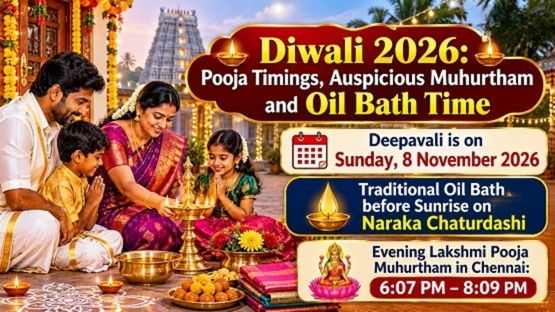 Diwali 2026: Pooja Timings, Auspicious Muhurtham and Oil Bath Time05/Nov/2026 4:52:17 PM

 JB Soft System