
Digital Gold in 2026: Is It Still a Smart Investment?
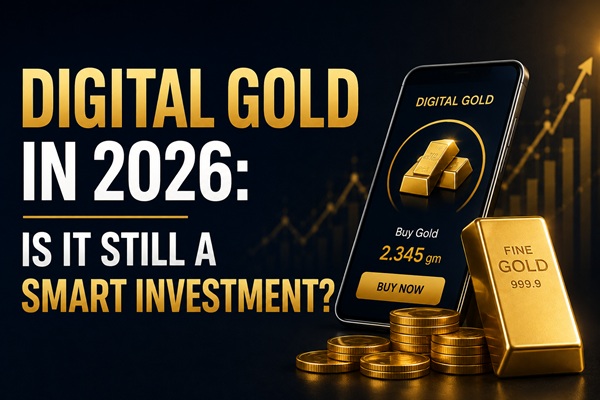
Buying gold has become easier than ever. With digital gold, investors can purchase even small quantities through a mobile app without visiting a jewellery shop or handling physical gold.
But with gold prices at elevated levels in 2026, investors need to look beyond convenience. Regulation, taxes, hidden costs and the difference between buying and selling prices can all affect the final return.
What Is Digital Gold?
Digital gold allows investors to buy gold online in small amounts. The purchased gold is generally represented as physical gold held by a vault or custodian on the investor`s behalf.
While the process is simple, digital gold has a different regulatory structure from investment products such as Gold ETFs.
Digital Gold Is Outside SEBI`s Regulatory Framework
One of the most important points investors should understand is regulation.
SEBI warned in November 2025 that digital gold products offered through online platforms do not fall under its regulatory framework. Therefore, they do not carry the same statutory investor protections available with SEBI-regulated investment products.
The fact that digital gold is offered through a popular app does not change its regulatory status.
The Real Cost May Be Higher Than Expected
The displayed gold price is not the only cost investors should consider.
A digital-gold purchase attracts 3% GST. Depending on the platform, investors may also face:
- Buy-sell price differences
- Platform markups
- Delivery charges
- Redemption fees
- Storage-related charges
- Minimum redemption requirements
These costs can reduce returns, especially if the investor sells soon after purchasing.
Always Compare the Buy and Sell Prices
A common mistake is to look only at the price at which gold can be purchased.
Instead, investors should check:
Purchase price → GST and other charges → Selling price → Final amount received
Even if the market price of gold rises, a wide buy-sell spread and additional charges can reduce the actual profit.
What Happens If the Platform Has Problems?
Digital gold involves more than just the app through which it is purchased. The overall structure may involve a gold provider, vault, custodian and other entities.
Before investing, it is worth checking:
- Who actually owns and stores the gold?
- Is the gold backed on a 1:1 basis?
- How frequently are holdings audited?
- What happens if the platform stops operating?
- What are the rules for physical redemption?
- Are there additional charges for taking delivery?
Understanding these details can help investors identify risks that may not be obvious from the app interface.
High Gold Prices Can Encourage FOMO
Gold`s strong performance can create a fear of missing out.
When prices rise sharply, investors may feel pressured to buy immediately. But gold prices can also experience significant corrections. The convenience of digital gold can make frequent purchases feel effortless, potentially encouraging impulsive investing.
A better approach is to decide how much gold exposure is appropriate for the overall portfolio rather than buying simply because prices are rising.
India`s Gold Demand Tells an Interesting Story
India`s gold market in 2026 also highlights the impact of higher prices.
Gold demand can decline in terms of physical quantity while the total value of purchases increases because each gram of gold costs significantly more.
This means rising gold prices do not automatically indicate stronger underlying physical demand.
Digital Gold Demand Has Also Moderated
Digital gold attracted significant interest in 2025, with transaction values rising sharply.
However, demand moderated in the second quarter of 2026 compared with the previous quarter. Higher gold prices may be one factor affecting investor behaviour.
The trend suggests that easy digital access does not eliminate the impact of high prices.
Gold ETFs: An Alternative for Long-Term Investors
Investors looking for gold as part of a long-term portfolio can also consider Gold ETFs.
Gold ETFs operate within the regulated securities market and offer a different structure from digital gold. They require a demat account, but they can provide a more established route for investors seeking market-based exposure to gold.
Unlike digital gold purchases, Gold ETFs do not attract the 3% GST charged on the purchase of digital gold, although investors should consider brokerage, fund expenses and other applicable costs.
Which Option Makes More Sense?
There is no single answer for every investor.
Digital gold may appeal to people who value convenience, small-ticket purchases and the possibility of physical redemption.
Gold ETFs may be more suitable for investors primarily seeking g long-term portfolio exposure through a regulated investment product.
The right choice depends on the investor`s objective, investment period, costs and risk tolerance.
Final Takeaway
Digital gold may look simple because buying it takes only a few taps. But simplicity should not be confused with low cost or low risk.
Before investing, check SEBI regulation, GST, buy-sell spreads, custody arrangements, redemption charges and the alternatives available.
With gold prices already at elevated levels, investors should focus less on the fear of missing out and more on choosing the right form of gold investment for their financial goals.
Top Stories
-
 Best Veg Restaurants in West Mambalam for South Indian and North Indian Food13/Oct/2026 5:42:33 PM
 -
 Medu Vada in Chennai: The Crispy South Indian Breakfast Favourite13/Oct/2026 5:33:20 PM
 -
 Innovate, Adapt, Grow: The Mindset Behind Future-Ready Businesses13/Oct/2026 5:24:08 PM
 -
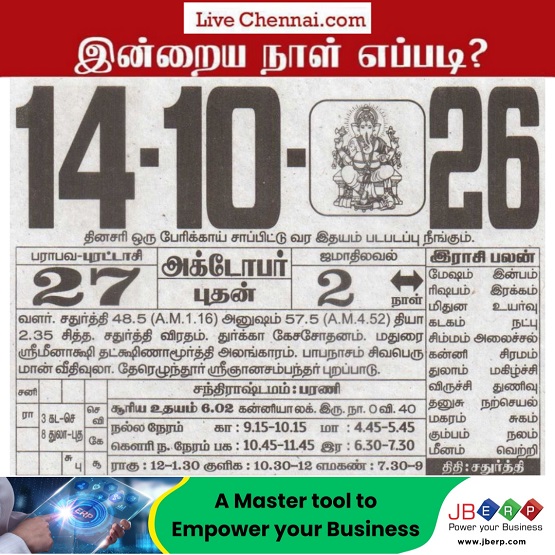 Tomorrow Panchangam October 14, 2026 | Auspicious Timings, Rahu Kalam, Gulikai13/Oct/2026 5:23:26 PM
 -
 JB Soft System Launches a Professional Website for Thiru Exports, Chennai13/Oct/2026 5:10:52 PM
 -
 Tamil Nadu CM Vijay Arrives in Andhra Pradesh to Attend Vijayawada Utsav 2.013/Oct/2026 4:57:16 PM

 JB Soft System