
Stye in the Eye: Causes, Symptoms, Treatment and Prevention
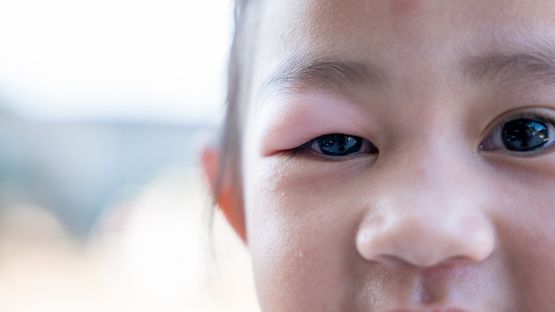
A stye is a small, painful lump that develops along the edge of the eyelid due to a localised bacterial infection. In most cases, it clears up on its own within a few days to a week, although certain treatments can help reduce discomfort and support faster healing.
What Is a Stye?
A stye is a red, tender lump on the eyelid caused by an infection of an oil-producing gland. It can develop externally at the base of the eyelashes or internally when the infection affects the Meibomian glands inside the eyelid.
What Causes a Stye?
Styes are commonly caused by bacteria, particularly Staphylococcus aureus. Several factors may increase the risk, including:
- Poor eye hygiene: Touching the eyes with unwashed hands or failing to remove makeup properly.
- Chronic blepharitis: Ongoing inflammation of the eyelid margins.
- Expired or contaminated cosmetics: These may introduce bacteria around the eyes.
- Stress: Stress may affect the body`s immune response and increase susceptibility to infections.
Symptoms of a Stye
Common symptoms include:
- A red and painful lump along the eyelid
- Swelling and redness
- Tenderness around the affected area
- Excessive tearing
- A feeling that something is stuck in the eye
- Crusting or irritation around the eyelid
How Is a Stye Treated?
Most styes improve without treatment. However, the following measures may help ease symptoms and support healing:
Apply Warm, Dry Heat
Apply gentle, dry heat to the affected eyelid for around 7 to 10 minutes. This can help soften gland secretions and encourage drainage. A gentle massage afterward may also help with drainage.
Maintain Eyelid Hygiene
Clean the eyelid gently using a mild cleansing solution or specially designed eyelid wipes.
Avoid Makeup and Contact Lenses
Avoid using eye makeup and contact lenses until the stye has completely healed. This can help prevent further irritation and potential spread of infection.
Antibiotic Treatment
A doctor may prescribe a topical antibiotic ointment when appropriate. Oral antibiotics may be required in some cases depending on the severity of the infection.
If the stye does not improve within 48 hours, becomes larger, or affects your vision, consult t an ophthalmologist.
Sometimes, a firm, painless lump may remain after the infection has settled. In certain cases, this may require a medical procedure for removal.
How Can You Prevent a Stye?
Good eye and eyelid hygiene can help reduce the risk of developing styes:
- Wash your hands regularly and avoid touching your eyes with dirty hands.
- Remove eye makeup completely before going to bed.
- Do not share cosmetics with others.
- Replace eye makeup products regularly.
- Follow proper contact lens cleaning and hygiene practices.
- Manage stress and maintain healthy daily habits.
- Keep the eyelids clean and follow your eye specialist`s advice regarding eyelid care.
- In some patients, intense pulsed light (IPL) therapy may be recommended to help manage Meibomian gland dysfunction and reduce the risk of recurrent styes.
Disclaimer: This article is intended for general informational purposes only and should not be considered medical advice. Do not use antibiotic eye medicines without consulting a qualified healthcare professional. Seek prompt medical attention if a stye worsens, does not improve, or affects your vision.
Top Stories
-
 School Holiday Tomorrow Due to Heavy Rain: Which Districts Will Remain Closed?25/Oct/2026 9:11:16 PM
 -
Red Alert for 5 Tamil Nadu Districts as Bay of Bengal Depression Remains Stationary25/Oct/2026 3:56:25 PM
-
 Chef Damu Passes Away: Padma Shri-Winning Chef Dies in Chennai25/Oct/2026 3:29:19 PM
 -
 Gold Appraiser Training in Chennai 2026: Dates, Eligibility and Registration25/Oct/2026 9:46:09 AM
 -
 October 26, 2026 Panchangam: Auspicious Timings, Rahu Kalam, Yamagandam & Nalla Neram24/Oct/2026 6:29:12 PM
 -
 Tomorrow Panchangam October 25, 2026 | Auspicious Timings, Rahu Kalam, Gulikai24/Oct/2026 6:28:07 PM

 JB Soft System