
Benefits of Dialysis: How Treatment Helps Kidney Failure Patients
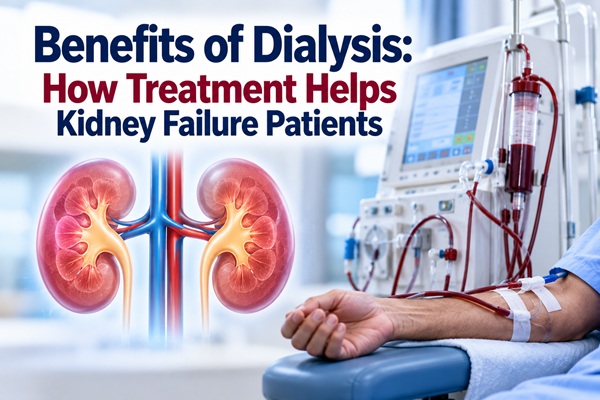
Dialysis is not a cure for kidney disease, but it is an important treatment that can replace some of the functions of failing kidneys. For people with advanced kidney failure, dialysis can help remove waste products and excess fluid from the body and support longer-term survival.
Without appropriate treatment, severe kidney failure can lead to a dangerous buildup of toxins and fluid in the body. Dialysis can help reduce symptoms such as breathlessness, vomiting and swelling, improving a patient`s overall comfort and quality of life.
Many people receiving regular dialysis are also able to continue working, manage family responsibilities and participate in social activities, depending on their overall health and their doctor`s advice.
Benefits of Dialysis Treatment
Dialysis can provide several important benefits for people with severe kidney failure, including:
- Removing waste products from the blood
- Removing excess fluid from the body
- Helping control certain electrolyte levels
- Reducing symptoms associated with kidney failure
- Improving quality of life
- Supporting patients in continuing their daily activities
However, dialysis requirements vary from person to person. Patients should follow the treatment schedule and medical advice provided by their healthcare team.
Diet and Lifestyle Rules for Dialysis Patients
Diet and fluid management are important parts of dialysis care. The appropriate diet depends on kidney function, dialysis type, laboratory results and other health conditions.
Sodium and Fluid Management
Dialysis patients may need to limit salt and fluid intake to reduce excessive thirst and fluid accumulation.
Foods such as pickles, salted foods, dried fish and highly processed foods may contain significant amounts of sodium and may need to be limited.
The amount of fluid a patient should drink each day varies. Patients should follow the fluid limit prescribed by their doctor or dietitian rather than following a fixed amount.
Potassium and Phosphorus Control
Some dialysis patients need to control their intake of potassium and phosphorus. Foods such as bananas, mangoes, coconut water, potatoes, certain leafy vegetables, tomatoes and nuts may need to be limited depending on individual blood-test results.
Dairy products and certain processed drinks can also contain significant amounts of phosphorus. A renal dietitian can help patients create an appropriate meal plan.
Protein Intake
Protein requirements can change after dialysis begins. Dialalysis may result in the loss of some amino acids, making adequate protein intake important for many patients.
Foods such as fish, chicken and egg whites may be included in the diet in quantities recommended by a doctor or renal dietitian.
Common Myths About Dialysis
Myth 1: Starting Dialysis Means the Patient Will Die Soon
Fact: Dialysis is a life-supporting treatment for people whose kidneys can no longer adequately perform their functions. It helps remove waste and excess fluid that would otherwise accumulate in the body.
Myth 2: Dialysis Patients Must Remain in Bed
Fact: Dialysis does not necessarily prevent patients from leading active lives. Depending on their overall health, many patients can work, manage daily responsibilities and participate in normal activities while following their treatment schedule.
Myth 3: Dialysis Completely Cures Kidney Failure
Fact: Dialysis performs some of the functions normally carried out by the kidneys, but it does not cure every type of kidney disease.
In some cases of acute kidney injury, kidney function can recover and dialysis may eventually no longer be required. In advanced chronic kidney disease, dialysis may be needed as long-term treatment. Kidney transplantation may be an option for some eligible patients.
How to Protect Kidney Health
Preventing or delaying kidney damage is important. People with diabetes or high blood pressure should work with their healthcare providers to keep these conditions under control.
Maintaining a balanced diet, staying physically active, avoiding smoking and limiting alcohol can support overall health.
People should also avoid taking painkillers or other medicines repeatedly without medical advice, as some medications can affect kidney function.
Those at increased risk of kidney disease may benefit from regular medical check-ups and tests such as serum creatinine and urine albumin, as recommended by their healthcare provider.
Conclusion
Dialysis is not the end of life; it is a treatment that can help people with severe kidney failure continue living their lives. With appropriate medical care, dietary management, regular dialysis and lifestyle changes, many patients can maintain their daily activities and improve their quality of life.
Early detection of kidney disease and proper medical guidance can also help protect kidney function and reduce the risk of progression to advanced kidney failure.
Protect your health. Take care of your kidneys.
Top Stories
-
 TNSTC Tambaram to Bengaluru Bus Timings: AC Economy and Regular Services23/Oct/2026 6:26:10 PM
 -
 Tomorrow Panchangam October 24, 2026 | Auspicious Timings, Rahu Kalam, Gulikai23/Oct/2026 5:51:42 PM
 -
 Best Areas Near Medavakkam, Chennai: A Guide to Nearby Residential and Lifestyle Localities23/Oct/2026 5:28:27 PM
 -
 Bigg Boss Tamil 10: Muniyamma’s 40 Sovereign Gold Jewellery Claim Sparks Debate23/Oct/2026 5:18:44 PM
 -
 Chennai Rain Complaint WhatsApp Number 2026: How to Register Complaints23/Oct/2026 4:50:18 PM
 -


 JB Soft System