
UPI Payments Above ₹2,000: Will Customers Have to Pay Extra After Diwali 2026?
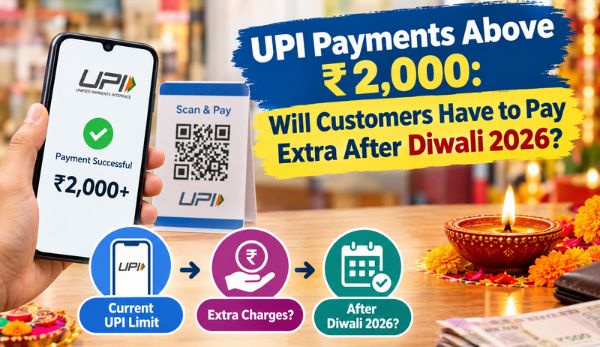
Everyday UPI payments remain free for ordinary users, but a proposed merchant transaction fee has raised questions about whether digital payments could become more expensive after Diwali 2026. The proposed change concerns a Merchant Discount Rate (MDR) on certain high-value payments made to businesses, rather than a direct charge on every customer`s UPI transaction.
The National Payments Corporation of India (NPCI) has deferred the proposed implementation until immediately after Diwali 2026, with the exact date yet to be notified. The final implementation details and applicable merchant categories will be important in determining how the change affects consumers.
What Is Changing in UPI Payments?
The proposed MDR applies to selected person-to-merchant (P-M) transactions above ₹2,000. It is not a blanket fee on all UPI payments exceeding that amount.
Under the proposed structure, payments up to ₹2,000 would remain free, while person-to-person (P-P) transfers would continue without a blanket MDR.
For selected merchant payments above ₹2,000, the proposed fee is 0.4% of the transaction value, capped at ₹300 per transaction. Fuel, railway, telecom and insurance transactions would attract a proposed flat MDR of ₹5 per transaction.
These charges relate to merchant transactions and should not be confused with a fee automatically deducted from a customer`s UPI balance.
Who Will Pay the Proposed UPI Transaction Fee?
Under the proposed arrangement, the merchant would pay the MDR rather than the customer directly.
For example, a ₹5,000 payment to a covered merchant could result in a merchant-side fee of ₹20 at the proposed 0.4% rate. For a ₹1 lakh transaction, the fee would be capped at ₹300.
However, businesses could respond to the additional cost in different ways. Some may introduce convenience or service charges where permitted, adjust prices, offer discounts for alternative payment methods or restrict UPI payments for certain high-value purchases.
Consequently, customers could experience indirect costs even though the proposed MDR is charged to merchants.
Will Everyday UPI Payments Become Costlier?
Routine digital payments are expected to remain unaffected under the proposed arrangement.
Payments at grocery stores, restaurants, small shops and other businesses would continue to be free for customers where the transaction falls outside the proposed fee categories. Sending money to family members, friends or other individuals would also remain free under the stated proposal.
The potential impact is more relevant to certain high-value merchant transactions, including payments involving fuel, insurance, railway services, telecom operators and large retailers.
For instance, if a covered merchant passes on the cost associated with a ₹10,000 payment, the additional amount at 0.4% would be ₹40. Whether customers actually face such a charge will depend on the merchant`s pricing and applicable rules.
What Should UPI Users Do Before Diwali 2026?
Customers should check their final invoices for any additional convenience fees, particularly when making large payments. Comparing the final cost of UPI, cards and net banking may also help when choosing a payment method.
There is no neneed to split transactions simply to avoid a proposed fee. Customers should follow merchant terms and wait for the final notification before changing their payment habits.
Is UPI Above ₹2,000 Becoming Chargeable?
The claim that all UPI payments above ₹2,000 will become chargeable after Diwali 2026 is misleading. The proposal described here concerns merchant-side MDR on selected transactions, not a universal customer fee.
Until NPCI announces the final implementation date and applicable merchant categories, consumers should treat the details as proposed rather than a confirmed, universally applicable change.
Top Stories
-
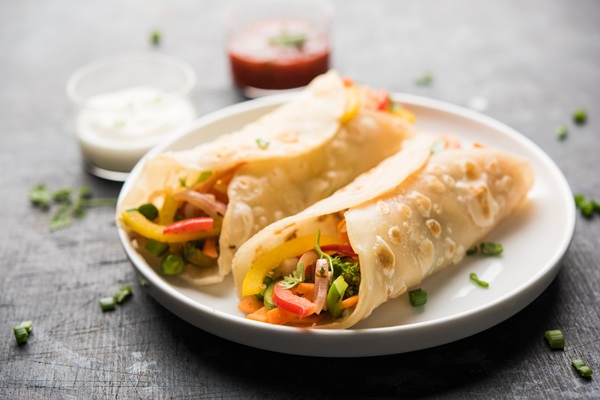 Celebrate the Spirit of Bengal with ‘Sharad Utsav’ at Anise, Taj Coromandel, Chennai15/Oct/2026 6:05:21 PM
 -
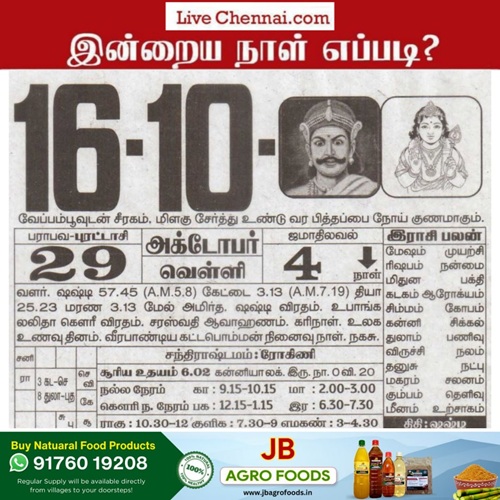 Tomorrow Panchangam October 16, 2026 | Auspicious Timings, Rahu Kalam, Gulikai15/Oct/2026 5:51:00 PM
 -
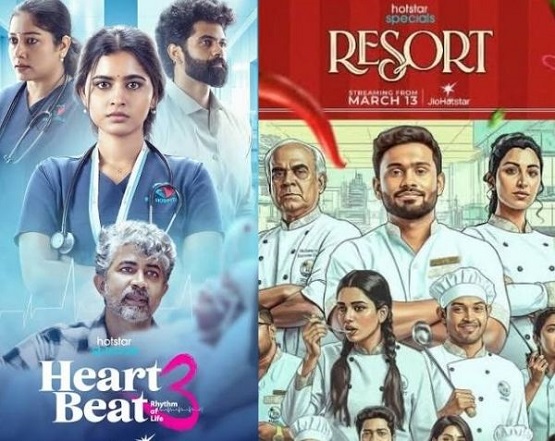 JioHotstar’s ‘Resort’ and ‘Heart Beat’ Win Audiences Across Languages15/Oct/2026 5:20:02 PM
 -
 JB Soft System Launches an Elegant Website for ARS Moondrezuthu Mahal, Ranipet15/Oct/2026 5:10:22 PM
 -
 Wonderla Chennai Celebrates Navarathri with Golu, Dandiya Nights and Festive Entertainment15/Oct/2026 4:48:11 PM
 -
 Bigg Boss Tamil 10: Weekend Episode Fashion: Chandhini, Dhanya and Other Contestants Impress15/Oct/2026 4:42:30 PM

 JB Soft System