
Stroke Symptoms: 7 Warning Signs, Causes and What to Do Immediately
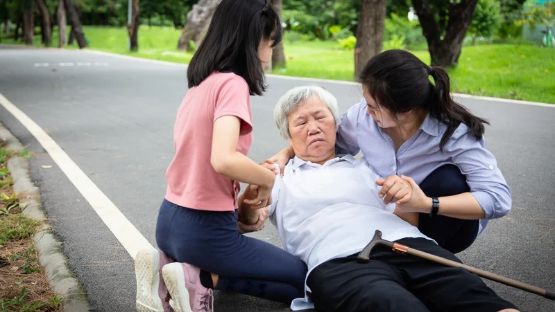
A stroke is a medical emergency that occurs when blood flow to part of the brain is blocked or a blood vessel in the brain ruptures. Without prompt treatment, brain cells can become damaged, potentially leading to long-term disability or death.
Although stroke risk generally increases with age, it can also affect middle-aged adults. Recognising the warning signs and seeking emergency medical care immediately can improve the chances of recovery.
What Causes a Stroke?
There are two main types of stroke:
Ischaemic stroke: Occurs when a blood clot or blockage prevents blood from reaching part of the brain.
Haemorrhagic stroke: Occurs when a blood vessel in the brain ruptures and causes bleeding.
A transient ischaemic attack (TIA), sometimes called a mini-stroke, causes temporary stroke-like symptoms due to a temporary disruption in blood flow. Even if symptoms disappear, it requires urgent medical assessment.
What Are the Warning Signs of a Stroke?
Stroke symptoms depend on the part of the brain affected. Common warning signs include:
- Sudden weakness or numbness in the face, arm or leg, especially on one side of the body.
- Difficulty speaking or understanding speech.
- Sudden loss or blurring of vision.
- Sudden dizziness, difficulty walking or loss of balance.
- Sudden confusion or difficulty understanding what is happening.
- A sudden, severe headache, particularly with other neurological symptoms.
A simple way to remember the main warning signs is FAST:
F – Face: One side of the face droops.
A – Arms: One arm becomes weak or drifts downward.
S – Speech: Speech becomes slurred or difficult to understand.
T – Time: Seek emergency medical help immediately.
What Should You Do Immediately If Someone Has a Stroke?
Time is critical during a stroke. If you notice possible symptoms:
1. Call emergency services immediately. In India, dial 112 for emergency assistance.
2. Note when the symptoms began. If the exact time is unknown, record when the person was last seen without symptoms.
3. Do not wait for symptoms to improve. Even if the symptoms disappear, urgent medical assessment is necessary.
4. Do not give food, water or medication unless instructed by medical professionals, as swallowing may be affected.
5. Do not give aspirin on your own. A stroke may involve bleeding, and aspirin could worsen it.
6. Arrange immediate transport to a hospital equipped to assess and treat stroke. Do not delay while trying home remedies.
What Are the Risk Factors for Stroke?
Several factors can increase the risk of stroke:
- High blood pressure.
- Diabetes.
- High cholesterol.
- Smoking.
- Excessive alcohol consumption.
- Physical inactivity.
- Certain heart conditions, including atrial fibrillation.
- Increasing age.
- Certain blood-clotting disorders.
Some risk factors cannot be changed, but managing blood pressure, blood sugar and cholesterol, avoiding smoking and staying physically active can help reduce the risk.
How Is a Stroke Diagnosed?
Doctors may use several tests to identify the type and cause of a stroke. These may include:
CT scan: Helps identify bleeding in the brain and assess other possible causes.
MRI scan: Provides detailed images of brain tissue.
Blood tests: May assess blood sugar, cholesterol and other relevant factors.
Heart tests: Such as an electrocardiogram or echocardiogram, when indicated.
Blood vessel imaging: May help identify narrowed or blocked arteries.
The tests required depend on the person`s symptoms and clinical condition.
What Treatments Are Available for Stroke?
Treatment depends on whether the stroke is caused by a blockage or bleeding.
For certain ischaemic strokes, clot-dissolving medication may be considered within a limited time window, commonly up to 4.5 hours after symptoms begin. Some patients may also be eligible for mechanical thrombectomy, a procedure that removes a clot from a blocked blood vessel.
For haemorrhagic strokes, treatment may involve controlling blood pressure, managing pressure inside the skull and, in selected cases, surgery.
Not every patient is eligible for every treatment. Doctors determine the most appropriate approach based on brain imaging, symptom onset, the patient`s condition and other medical factors. Emergency assessment is essential even when the person reaches hospital after the initial treatment window.
Can a Person Recover After a Stroke?
Recovery varies depending on the severity of the stroke, the area of the brain affected, the speed of treatment and the person`s overall health.
Some people recover substantially, while others may experience lasting difficulties with movement, speech, memory, vision or everyday activities. Rehabilitation, including physiotherapy, occupational therapy and speech therapy where appropriate, can support recovery.
How Can You Reduce the Risk of Stroke?
Healthy habits and appropriate medical care can help lower stroke risk.
- Monitor and manage blood pressure.
- Keep diabetes and cholesterol under control.
- Eat a balanced diet with vegetables, fruits, whole grains and appropriate sources of protein.
- Reduce excess salt and limit highly processed foods.
- Aim for regular physical activity, such as walking for around 30 minutes a day, according to your health and fitness level.
- Avoid smoking and tobacco products.
- Limit or avoid alcohol.
- Follow medical advice for heart conditions and prescribed medication.
- Attend regular health check-ups.
Disclaimer: This article is for general informational purposes only and should not be considered a substitute for professional medical advice, diagnosis, or treatment. If a stroke is suspected, seek emergency medical care immediately.
Top Stories
-
Stroke Symptoms: 7 Warning Signs, Causes and What to Do Immediately29/Oct/2026 10:23:03 AM
-
 Tamil Nadu Plans Restricted Wi-Fi for Students to Block Harmful Games and Apps29/Oct/2026 10:15:05 AM
-
 Chennai Railway Division Earns ₹684.51 Crore from Freight in Six Months29/Oct/2026 10:06:08 AM
-
 Vetri Vaanmagal Scheme 2026: How Women Can Apply for Free Drone Pilot Training in Tamil Nadu29/Oct/2026 10:02:35 AM
-
 Chennai - Tirupati Express Trains Cancelled from December 9 to 2729/Oct/2026 10:01:12 AM
-
 Chennai Gold Rate Today, October 29, 2026: 22K Gold at ₹13,195 per Gram; Silver Falls ₹529/Oct/2026 9:49:29 AM

 JB Soft System