
Walking After Eating: Can a Short Walk Help Control Blood Sugar and Weight?
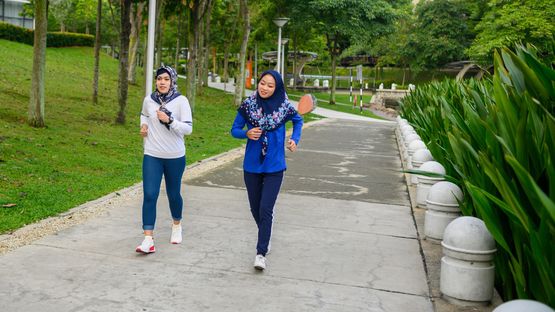
Walking after a meal is a simple form of physical activity that may offer several health benefits. While some people believe that exercising immediately after eating should be avoided, a short, light walk after a meal may actually be useful, particularly for managing the rise in blood sugar that occurs after eating.
Regular physical activity is also an important part of maintaining a healthy weight and reducing the risk of health problems associated with excess body weight.
Is It Okay to Walk After Eating?
Yes, a gentle walk after eating can generally be suitable for healthy adults. The key is to keep the activity light rather than starting intense exercise immediately after a meal.
A short walk can encourage the muscles to use some of the glucose circulating in the blood. This may help reduce the rise in blood sugar that normally occurs after eating.
How Long Should You Walk After a Meal?
A 10- to 15-minute walk after eating may be a practical option. Starting the walk within around 15 minutes after a meal may be particularly useful for supporting post-meal blood sugar control.
This does not mean that everyone needs to follow exactly the same duration. The intensity and duration of physical activity can be adjusted according to a person`s fitness level and health condition.
Can Walking After Eating Help With Weight Loss?
Walking after meals can contribute to overall daily physical activity and calorie expenditure, which can support healthy weight management.
However, a short walk after eating by itself is unlikely to cause significant weight loss. Weight management generally depends on a combination of regular physical activity, balanced eating habits, adequate sleep and overall calorie intake.
Why Can Walking After Meals Help Blood Sugar?
After eating, carbohydrates are broken down into glucose, causing blood sugar levels to rise. When the muscles are active, they can take up glucose from the bloodstream and use it for energy.
Therefore, a light walk after a meal may help reduce the post-meal rise in blood glucose compared with remaining inactive.
This can be particularly relevant for people who need to pay attention to their blood sugar levels, although people with diabetes should consider their individual condition and medical advice.
Is Walking Better Immediately After Eating or Later?
A short walk soon after eating may have an advantage for controlling the rise in blood sugar after a meal. Instead of waiting several hours and then doing one longer walk, adding short periods of movement after meals can be a practical way to increase daily activity.
Even simple activities such as walking around the workplace, using stairs or doing light movements can help reduce prolonged periods of sitting.
Avoid Heavy Exercise After a Large Meal
Although gentle walking may be comfortable for many people, strenuous exercise immediately after a large meal may cause discomfort, bloating, nausea or stomach cramps in some individuals.
After eating a heavy meal, it is better to allow the body some time to digest before undertaking intense exercise.
Food Choices Also Matter
Physical activity i is only one part of blood sugar management and healthy weight control. Choosing balanced meals with adequate fibre, vegetables, whole grains and other nutrient-rich foods can help support overall health.
Reducing excessive intake of refined carbohydrates and sugary foods may also help maintain healthier blood sugar levels.
A simple post-meal walk combined with a balanced diet and regular physical activity can therefore be a practical part of a healthy lifestyle.
Disclaimer: This article is for general informational purposes only and should not be considered a substitute for professional medical advice, diagnosis or treatment.
Top Stories
-
 Tamil Nadu Rooftop Solar: 5 Charges to Be Waived for Households23/Nov/2026 11:33:29 AM
-
Walking After Eating: Can a Short Walk Help Control Blood Sugar and Weight?23/Nov/2026 11:25:28 AM
-
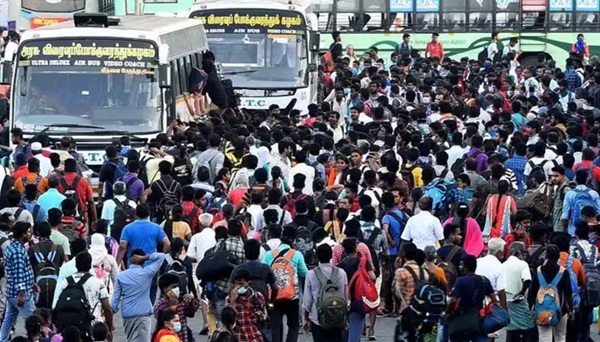 Tiruvannamalai Karthigai Deepam 2026: 1,713 Special Buses from Chennai23/Nov/2026 11:12:12 AM
-
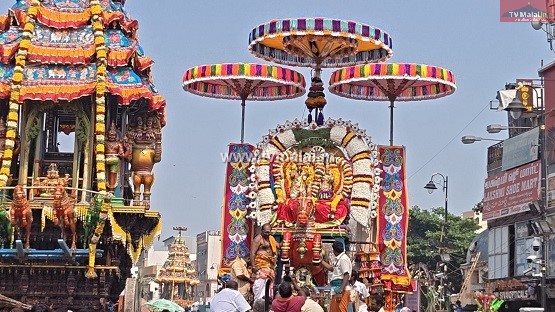 Karthigai Deepam Festival 2026 - Day 8 (Morning)23/Nov/2026 11:02:55 AM
-

-
 Gold Price Prediction 2036: What Will a ₹50,000 Gold Investment Be Worth After 10 Years?23/Nov/2026 10:37:54 AM

 JB Soft System