
Taj Coromandel celebrates Taj’s 2026 brand milestones through a journey into India’s tribal cuisines
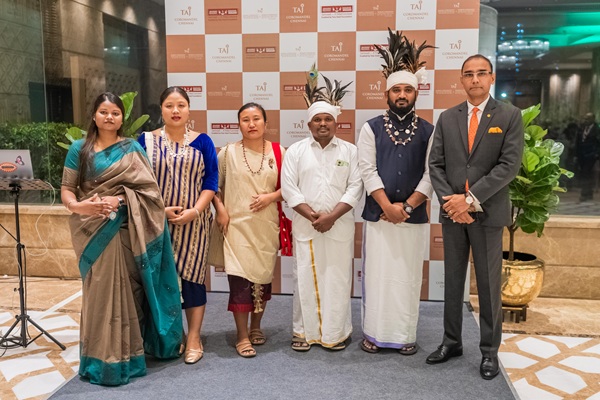
Celebrating Taj being recognised as the World’s Strongest Luxury Hotel Brand 2026 and India’s Strongest Brand Across Sectors 2026, Taj Coromandel, Chennai, in association with Samvaad, enabled by Tata Steel Foundation, hosted a special showcase of India’s tribal culinary heritage on September 25, 2026 at The Ballroom. Bringing together the traditions of the Koya community of Andhra Pradesh and the Karbi community of Assam, the experience offered guests an intimate exploration of indigenous ingredients, ancestral recipes and the stories behind them.
The showcase welcomed a distinguished gathering of guests from Chennai’s social and cultural circles, along with hospitality and culinary enthusiasts. Four tribal home cooks and community practitioners - Sodem Kranthi Kiran and Peesam Dulaiah from the Koya community, and Jorlin Taropi and Anima Rongpipi from the Karbi community - presented the food traditions of their communities to the guests.
Samvaad, enabled by Tata Steel Foundation has created platforms for tribal communities to share their knowledge, traditions and cultural practices with wider audiences. Its work around tribal cuisine has focused on bringing greater visibility to indigenous food traditions, including through collaborations with tribal home cooks and practitioners. The collaboration with Taj Coromandel extended this endeavour to Chennai, creating a space where the Koya and Karbi communities could share their culinary heritage directly with guests through food, stories and traditions.
Speaking on the occasion, Ian Dubier, Vice President – Operations, Tamil Nadu, Kerala and Lakshadweep, IHCL, said, “Taj’s 2026 brand recognitions are a celebration of the trust and connection the brand has built over the years. At Taj Coromandel, we wanted to mark this milestone by celebrating the richness and diversity of India. In association with Samvaad, enabled by Tata Steel Foundation, this showcase gave our guests an opportunity to discover the Koya and Karbi communities through their food, stories and traditions. It was particularly meaningful to see the participating home cooks share recipes that have been passed down through generations and to give these distinctive culinary traditions a wider platform in Chennai. Experiences such as these reflect our commitment to bringing the many facets of India closer to our guests through the art of hospitality.”
The menu brought together an array of traditional preparations from both communities, with ingredients and techniques providing a window into their distinctive culinary identities. From the Koya tradition, Bamboo Chicken, cooked inside a bamboo tube with ginger, garlic and green chilli, showcased a traditional cooking method, while Kiken Kusir, a tamarind-based fish curry cooked with tribal spices, and Chukkudu Pappu, a preparation of board beans, spinach and local spices, reflected the community’s use of locally available produce. The meal also featured Gatka, a jowar-based staple, and Mahua Kheer, where mahua flowers were paired with milk and jaggery to create a traditional dedessert.
The Karbi menu highlighted the community’s affinity for bamboo, indigenous produce and distinctive cooking techniques. Mutton Curry with Bamboo Shoot and Sweet Potato brought together tender meat with the characteristic flavour of fresh bamboo shoot, while Kangmoi, made with masoor dal, brinjal, seasonal greens and alkaline water, offered a taste of a traditional Karbi preparation. Chicken with Black Lentils and Black Rice Kheer further showcased ingredients integral to the region, while Bara Ahim, a fried bun made from sticky rice and jaggery, was prepared live for guests.
Beyond the dining experience, the showcase highlighted the close relationship between food, community and the natural environment. From millets and mahua flowers to bamboo shoots, black rice and indigenous greens, the ingredients reflected landscapes and food systems that have shaped these culinary traditions over generations.
The Culinary Traditions of Koya and Karbi Communities
The Koya cuisine of Andhra Pradesh reflects the community’s close relationship with forests, agriculture and rich culinary traditions. Millets, maize, pulses and locally grown vegetables form an important part of the traditional food system, alongside forest produce such as edible roots, flowers, fruits and herbs.
Preparations and beverages such as Ragi Malt, Pulgam and Mahua (Ippa) flower-based dishes, alongside the region`s celebrated coffee traditions, offer a glimpse into a food culture shaped by seasonality, nutrition and the resources of the land.
The Karbi cuisine of Assam, meanwhile, draws from the biodiversity of the hills of Karbi Anglong. Indigenous vegetables, forest herbs, bamboo shoots, smoked meats and naturally fermented foods are central to the cuisine. Traditional preparations such as Kangthu, Kimung cooked in bamboo tube, indigenous chutneys and rice-based dishes reflect the community’s relationship with its natural environment and its culinary knowledge passed down through generations.
The People Behind the Plate
Kranthi Kiran, who has been associated with Samvaad, enabled by Tata Steel Foundation since 2019, has been actively working to promote tribal cuisine through Rustic Dine, a mobile platform he co-founded with fellow Koya home cook Peesam Dulaiah. The initiative seeks to document and showcase indigenous culinary traditions across India. His work has included participation in tribal food festivals and efforts to promote products created by tribal women’s self-help groups. His culinary journey has also seen traditional ingredients and preparations, including Mahua kheer, presented in contemporary dining settings.
For Peesam Dulaiah, a farmer from the Koya tribe, food remains closely connected to the land, community and traditional way of life. His association with Samvaad, enabled by Tata Steel Foundation has enabled h him to engage with different tribal communities and discover diverse food practices, while strengthening his own efforts to preserve and share Koya cuisine.
Representing the Karbi community, Jorlin Taropi is a young entrepreneur from Karbi Anglong, Assam, who works to document and preserve traditional Karbi food knowledge. Through initiatives such as Kormandu - Youth and Heritage Hub and Lin and Green, she engages with communities to document indigenous recipes, ingredients and culinary practices. She has also run community food stalls and a small kitchen showcasing Karbi cuisine, with a vision to establish a Karbi Community Kitchen and Learning Centre.
Anima Rongpipi, also from the Karbi community, brings the perspective of community entrepreneurship to the showcase. She runs The Cake Corner, a bakery outlet, and conducts workshops for local youth and women, using culinary skills as a means of creating livelihood opportunities and encouraging entrepreneurship within her community.
Top Stories
-
 LPG Subsidy: Biometric e KYC Mandatory From October 130/Sep/2026 11:29:39 AM
 -
 Adyar Offers: Discover Latest Deals and Discounts on LiveChennai30/Sep/2026 11:11:05 AM
 -
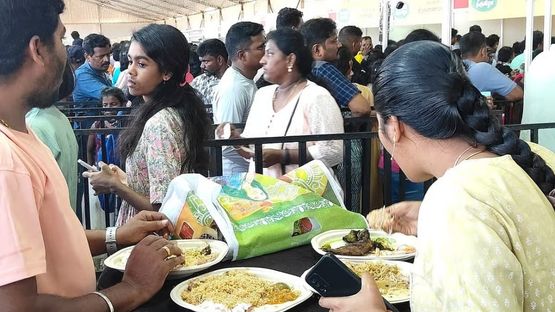 UNAVU EXPO 2026 to Bring Food and Hospitality Industry Together in Chennai30/Sep/2026 11:03:48 AM
 -
 Coconut Milk Benefits: Nutrition, Uses and Side Effects30/Sep/2026 10:57:52 AM
 -
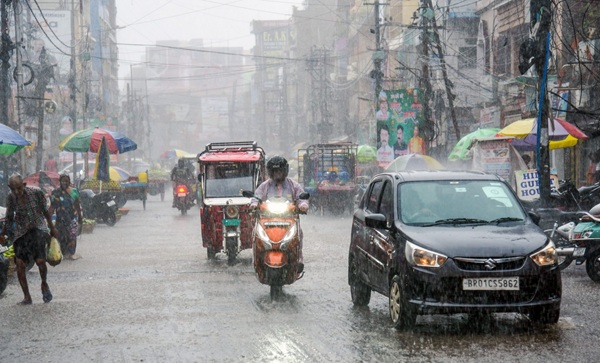 Tamil Nadu Weather: Heavy Rain Expected in 11 Districts Today30/Sep/2026 10:50:14 AM
 -
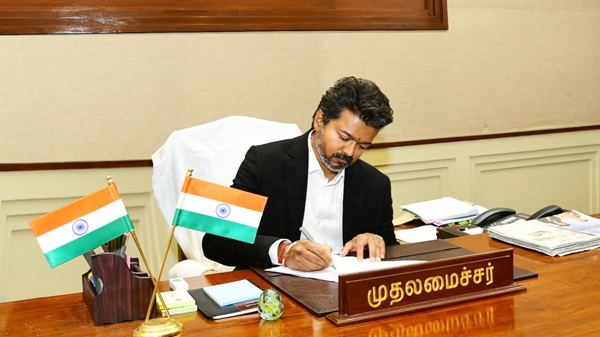 Tamil Nadu CMO May Shift to NKM Before Pongal: 10th Floor Preparations Underway30/Sep/2026 10:44:53 AM

 JB Soft System