
The Difference Between Paying a Challan and Settling One

Most people assume that paying a traffic challan and settling one are the same thing. They are not. The distinction is small in language and significant in consequence. A payment is a transaction. A settlement is a confirmed closure of a legal record. One is something you do. The other is something the system confirms has been done. And if the system does not confirm it, the payment you made may mean very little when it actually matters.
Understanding this difference is not a technicality. It is the reason some people pay a challan and then discover months later that it still shows as pending in the official records.
Two Words, Two Very Different Outcomes
When you make a payment toward a traffic challan, you are transferring money from your account to a payment gateway. That transaction is recorded on your end, and you receive a payment confirmation from the gateway or the platform you used. This is the moment most people consider the matter closed. It is not.
Settlement happens when that payment is processed, verified, and reflected as cleared in the government`s traffic database. The challan status changes from pending to paid in the official Parivahan or state traffic system. Until that update happens, the challan remains active in every database that a traffic officer, an insurer, an RTO official, or a prospective car buyer might check. Your payment confirmation exists in your inbox. The official record has not changed.
The gap between these two events is where the problem lives. For most straightforward online challans paid through a verified platform, this gap is measured in hours or a day or two. For payments made through unofficial channels, poorly connected portals, or with technical errors in the transaction, this gap can stretch indefinitely, and in some cases the settlement never arrives at all.
What Payment Means in the Eyes of the System
From the traffic authority`s perspective, a challan is not cleared by the act of payment. It is cleared by the receipt of confirmed funds that have been matched to the specific challan record in their database. This matching process requires the payment to be routed correctly, with the right challan number, the right vehicle registration, and through a channel that is connected to the official traffic system.
A payment made through an unofficial third-party app that is not directly integrated with government traffic databases may complete as a transaction on the app`s end and fail to reach the authority`s records entirely. The driver has paid. The traffic authority has not registered the payment. The challan remains open. This is not a hypothetical scenario. It is a documented pattern with platforms that aggregate challan data but process payments through intermediaries with no direct connection to the official system.
The practical consequence is that if you are stopped at a check post, if your insurance comes up for renewal, or if you go to sell your car, the challan still shows as outstanding. Your payment confirmation is evidence that you tried to pay. ItIt is not evidence that the challan is closed.
What Settlement Means and Why It Matters More
Settlement is the point at which the traffic authority`s own records reflect the challan as paid. It is the only version of resolved that counts in any official context. A settled challan will not surface during a vehicle check, will not complicate an RC transfer, will not be flagged at a check post, and will not affect a used car sale.
Platforms that guarantee settlement, rather than just processing payment, are performing a meaningfully different function. They are not just routing your money. They are confirming that the official record has been updated and taking responsibility for the outcome, not just the transaction. Cars24`s challan payment service, for instance, guarantees settlement within 72 hours of payment and operates through verified connections to government traffic databases. The 72-hour commitment is a settlement commitment, not a payment processing commitment. There is a significant difference between the two.
When a Payment Does Not Become a Settlement
There are several specific situations in which a challan payment fails to become a settlement, and being aware of them helps you avoid the ones that are within your control.
- Payment made through a platform that is not connected to official government databases. The money moves but the record does not update.
- Payment made with an incorrect challan number or registration number. The transaction completes but is matched to the wrong record, or to no record at all.
- Payment made for a challan that has already been referred to court. An online payment attempt for a court-pending challan may process as a transaction but not be accepted as settlement because the matter is no longer in the online payment system.
- Technical failures during payment processing where the transaction is initiated but not completed, leaving the challan in a state where the payment attempt is logged but the amount has not been received.
- Payment made through an unofficial link or phishing channel that mimics a government portal. The money is received by the wrong party and the official record is never updated.
In each of these cases, the driver believes they have paid and the record disagrees. Discovering the discrepancy early, while you still have the payment confirmation and the transaction details, gives you the best chance of resolving it. Discovering it months later, at a moment when you need the challan to be clear, is a considerably worse position.
How to Confirm Your Challan Is Actually Settled
The only reliable way to confirm settlement is to check the official challan status after payment, not to rely on the payment confirmation alone. Wait for the settlement period stated by the platform you used, then look up your vehicle`s challan status using your registration number.
If the challllan still shows as pending after the stated settlement window has passed, contact the platform immediately with your payment confirmation and transaction reference. A reputable platform will investigate and resolve the discrepancy. An unreliable one may not have the means to do so because the payment never reached the official system in the first place.
Cars24`s challan portal makes post-payment verification straightforward. Once the 72-hour settlement window has passed, you can check your vehicle`s challan status directly through the portal using the same registration number. If the status has updated to paid, the matter is closed. If it has not, the platform`s support process is the next step, and your payment confirmation is the documentation you need to initiate it.
Closed Means Closed
A challan is not closed because you paid something toward it. It is closed because the official record says it is closed. That distinction is invisible until the moment it is not, and when it surfaces, it tends to surface at a time when you have something at stake.
Pay through a verified platform, confirm the settlement after the stated window, and keep both the payment confirmation and the settled status screenshot until you are certain the record reflects what you expect it to. Closed means closed. Make sure yours is.
Top Stories
-
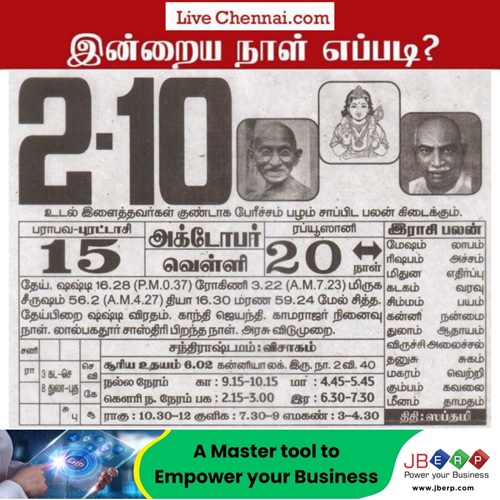 Tomorrow Panchangam October 02, 2026 | Auspicious Timings, Rahu Kalam, Gulikai01/Oct/2026 5:48:56 PM
 -
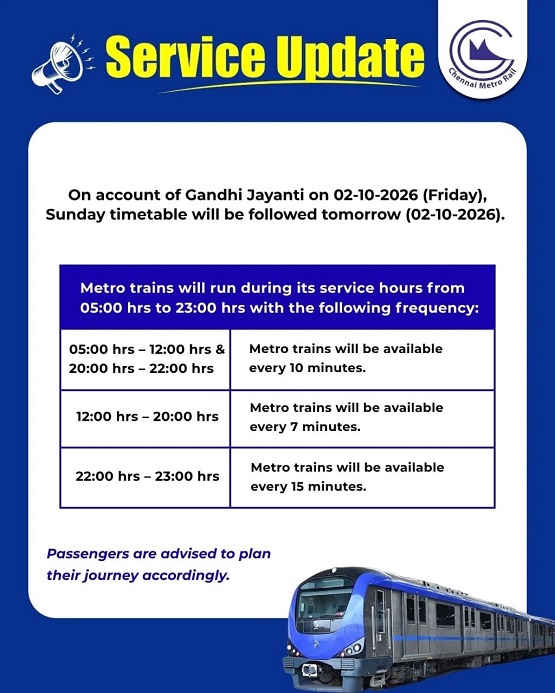 Chennai Metro Timings Changed for Gandhi Jayanti Tomorrow01/Oct/2026 5:14:41 PM
 -
 Invest in Gold Without Buying Jewellery: 7 Investment Options to Consider01/Oct/2026 5:00:34 PM
 -
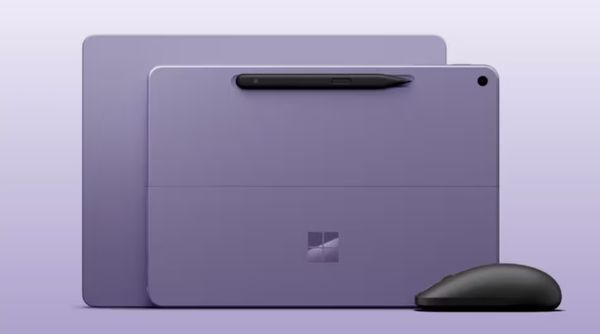 Microsoft Surface Pro 12-Inch and Surface Laptop 13-Inch Launched01/Oct/2026 4:35:19 PM
 -
The Difference Between Paying a Challan and Settling One01/Oct/2026 4:31:32 PM
-
 Ayudha Pooja 2026: Date, Significance and Auspicious Timings01/Oct/2026 3:43:26 PM

 JB Soft System