
El Niño and Tamil Nadu’s Northeast Monsoon: Will Chennai Receive Less Rain in 2026?
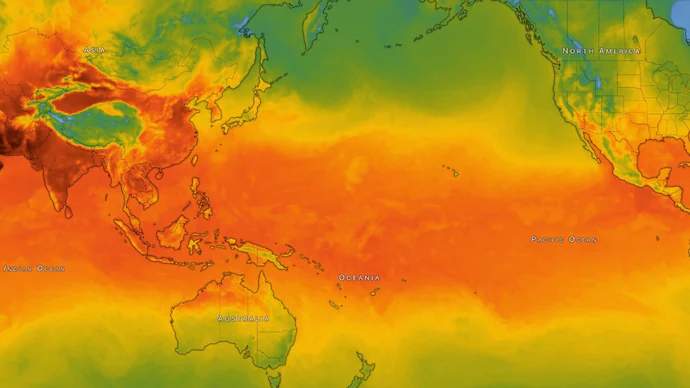
With the Northeast Monsoon bringing crucial rainfall to Tamil Nadu between October and December, concerns are growing over whether strengthening El Niño conditions could affect rainfall across the state in 2026. Although El Niño can influence India`s monsoon patterns, its impact on Tamil Nadu`s Northeast Monsoon is not always straightforward.
Understanding how this climate phenomenon works, along with other weather systems that influence rainfall, is essential to assessing the state`s rainfall prospects.
What Is El Niño? How Does It Affect Rainfall?
El Niño is a natural climate phenomenon characterised by warmer-than-usual sea surface temperatures in the central and eastern equatorial Pacific Ocean. These temperature changes influence atmospheric circulation, which can alter rainfall patterns and temperatures in different parts of the world.
In India, El Niño is generally associated with the possibility of a weaker Southwest Monsoon. Reduced monsoon rainfall can affect agriculture, reservoir storage and drinking water supplies in several regions.
According to information attributed to India`s Ministry of Earth Sciences in July 2026, El Niño conditions were projected to strengthen during the October–December period. However, the actual intensity of the phenomenon and its effects on India depend on prevailing oceanic and atmospheric conditions.
Importantly, El Niño does not mean that rainfall will stop completely. Rainfall depends on several interacting factors, including monsoon circulation, low-pressure systems, sea surface temperatures and wind patterns.
Will El Niño Reduce Tamil Nadu`s Northeast Monsoon Rainfall?
This is a key question for residents across Tamil Nadu, particularly in Chennai and neighbouring districts.
The Northeast Monsoon, which occurs from October to December, is vital to Tamil Nadu. Many parts of the state receive a substantial share of their annual rainfall during this season, making it essential for agriculture, groundwater recharge and drinking water resources.
According to forecasts attributed to officials of the India Meteorological Department (IMD), South India was expected to receive normal rainfall during October–December 2026, with Tamil Nadu also anticipated to experience normal rainfall overall. However, rainfall distribution may vary considerably between districts.
The strengthening of El Niño does not automatically mean that Tamil Nadu`s Northeast Monsoon will be weak or fail. Other regional weather systems can influence rainfall, sometimes producing substantial rain even when El Niño conditions prevail.
Furthermore, a forecast of normal seasonal rainfall does not mean rain will be evenly distributed throughout the three-month period. Some days may remain largely dry, while other days could bring intense downpours over short periods.
Is El Niño the Only Reason for Heavy Rain in Chennai?
No. El Niño is a large-scale climate phenomenon, but it is not the only factor responsible for sudden, intense rainfall in Chennai. Several local and regional weather systems can trtrigger heavy rain across the city and its surrounding areas.
1. Low-Pressure Systems in the Bay of Bengal
Low-pressure areas developing over the Bay of Bengal can draw moisture into the atmosphere and generate rain-bearing clouds. Depending on their movement and intensity, these systems can bring widespread rainfall to coastal Tamil Nadu.
2. Upper-Air Cyclonic Circulations
Upper-air cyclonic circulations over the sea or nearby regions can support cloud formation and trigger rainfall over particular areas. Their location, strength and movement can influence where and when heavy rain occurs.
3. Moisture and Wind Direction
Moist winds blowing in from the Bay of Bengal can contribute to the development of rain clouds. The interaction between moisture, wind patterns and atmospheric instability can result in sudden spells of intense rainfall.
4. Urban Flooding and Drainage Challenges
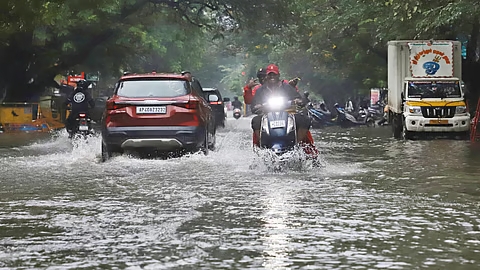
When a large volume of rain falls within a short period, stormwater drains may struggle to carry the water away quickly enough. This can result in waterlogging and flooding on roads, particularly in low-lying areas and locations with inadequate drainage capacity.
What Should Chennai Residents Expect?
El Niño alone cannot determine how much rain Chennai will receive during the Northeast Monsoon. The development of low-pressure systems, upper-air cyclonic circulations, moisture availability and changing wind patterns will also play important roles.
Even if the overall seasonal outlook remains normal, isolated episodes of extremely heavy rainfall are still possible. Residents should therefore follow daily IMD forecasts and official weather alerts, especially during periods of active weather over the Bay of Bengal.
For Tamil Nadu, the key is to distinguish between the influence of a global climate phenomenon and the immediate weather systems that determine rainfall from day to day. Monitoring both will provide a clearer picture of the Northeast Monsoon`s progress and its potential impact on Chennai.
Top Stories
-
El Niño and Tamil Nadu’s Northeast Monsoon: Will Chennai Receive Less Rain in 2026?18/Oct/2026 12:25:11 PM
-
 Chennai Operates 9,571 Buses for Ayudha Puja Holidays; 4.15 Lakh Passengers Travel in Three Days18/Oct/2026 12:01:23 PM
 -

-
 Chennai Weather Update: Heavy Rain Eases, More Rain Expected on Sunday18/Oct/2026 8:54:51 AM
 -
 Chennai Rain Alert: GCC Releases Contact Numbers for Officials in All 15 Zones18/Oct/2026 8:11:09 AM
 -

 JB Soft System