
Bad Breath Even After Brushing? Know the Common Causes and Prevention Tips
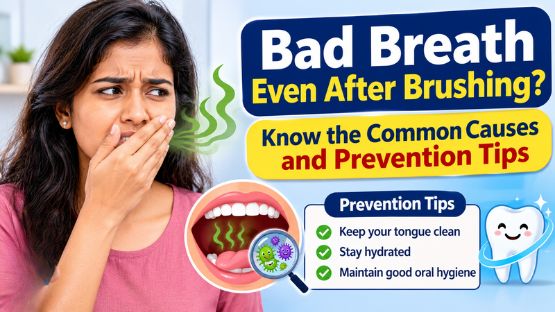
Bad breath, medically known as halitosis, is a common problem that can affect people of all ages. Morning breath after waking up is usually normal, but persistent bad breath throughout the day may sometimes indicate an oral health problem or another underlying issue.
Poor oral hygiene, bacteria on the tongue, gum problems and dry mouth are some of the common causes. Identifying the reason early and maintaining good oral hygiene can help control the problem.
Why Does Bad Breath Occur?
Bad breath can develop when food particles remain between the teeth and are broken down by bacteria. This process can produce unpleasant-smelling compounds.
Plaque, a layer containing bacteria that builds up on the teeth, can also contribute to bad breath. Not brushing properly, particularly before going to bed, can allow bacteria and plaque to accumulate.
Bacteria on the Tongue
The tongue is one of the important sources of bad breath. Its surface contains tiny grooves where food particles, dead cells and bacteria can collect.
When these materials break down, unpleasant odours can develop. Therefore, cleaning the tongue gently along with brushing the teeth can help reduce the buildup of bacteria.
The tongue should not be scrubbed aggressively, as excessive pressure can irritate its surface.
Dry Mouth
Saliva naturally helps clean the mouth and remove food particles. When saliva production decreases, the mouth becomes dry and bacteria can multiply more easily, potentially increasing bad breath.
Not drinking enough water, sleeping with the mouth open, smoking and certain medicines can contribute to dry mouth.
Maintaining adequate hydration throughout the day may help reduce dryness and support normal saliva production.
Food Habits
Certain foods, particularly onions and garlic, can cause temporary bad breath. Some compounds from these foods can enter the bloodstream and later be released through the lungs, affecting the smell of the breath.
Going for long periods without eating or following strict fasting or restrictive diets may also cause noticeable changes in breath in some people.
Dental and Gum Problems
Tooth decay, swollen or bleeding gums, gum disease and food trapped between the teeth can all contribute to bad breath.
When gum disease becomes more severe, bacterial buildup around the teeth and gums can increase. Persistent bad breath accompanied by gum swelling, bleeding or dental pain should be evaluated by a dental professional.
Sinus and Throat Problems
Bad breath can sometimes be associated with sinus problems, throat infections or tonsil stones. Tonsil stones can form when food particles and bacteria collect in the tonsils.
Nasal congestion can also cause people to breathe through their mouth, which may dry the mouth and make bad breath worse.
In some cases, uncontrolled diabetes and certain kidney or liver conditions can cause an unusual change in breath odour. However, bad breath alone does not mean that a person has one of these conditions. Persistent symptoms, particularly when accompanied by other health problems, should be discussed with a healthcare professional.
How to Prevent Bad Breath
Good oralal hygiene is one of the most important ways to reduce bad breath.
- Brush your teeth twice a day, including once before going to bed.
- Use fluoride toothpaste and brush gently for around two minutes.
- Clean the outer, inner and chewing surfaces of the teeth.
- Clean the tongue gently using a tongue cleaner or a soft toothbrush.
- Drink enough water throughout the day to help prevent dry mouth.
- Clean between the teeth daily using dental floss or an appropriate interdental cleaning device.
- Avoid smoking and tobacco products.
- Limit habits that cause prolonged dry mouth.
- Maintain a balanced diet and avoid prolonged periods without food.
- Rinse the mouth with water after eating foods such as onions and garlic.
Brushing alone may not remove hardened deposits from the teeth. Regular dental check-ups and professional cleaning, when recommended, can help maintain oral health.
When Should You See a Dentist?
If bad breath continues even after maintaining good oral hygiene, it is important to identify the underlying cause rather than simply trying to mask the smell with mouth fresheners.
A dental consultation may be useful if bad breath persists or occurs along with bleeding gums, gum swelling, tooth pain, tooth decay or other oral symptoms. Medical evaluation may also be needed when persistent bad breath occurs together with other unexplained health symptoms.
Maintaining a regular oral hygiene routine, cleaning the tongue, drinking enough water and cleaning between the teeth can help keep the mouth healthy and reduce the risk of persistent bad breath.
Disclaimer: This article is for general informational purposes only and should not be considered a substitute for professional medical advice, diagnosis or treatment.
Top Stories
-
 Power Shutdown Areas in Chennai - Saturday (21.11.2026)19/Nov/2026 6:21:56 PM
-
 Tomorrow Panchangam November 20, 2026 | Auspicious Timings, Rahu Kalam, Gulikai19/Nov/2026 5:46:38 PM
-
 Tiruvannamalai Karthigai Deepam Festival - Divine 5th Day Morning Procession19/Nov/2026 5:44:26 PM
-
 Cyclone Akvan Update: Light Rain Likely in Western Ghats Districts of Tamil Nadu Today19/Nov/2026 5:11:46 PM
-
 What Is a Mutual Fund? Understanding How Mutual Fund Investments Work19/Nov/2026 5:03:06 PM
-


 JB Soft System