
Kandhaswamy Temple, Thiruporur – Overview, History, Festivals and Special Features
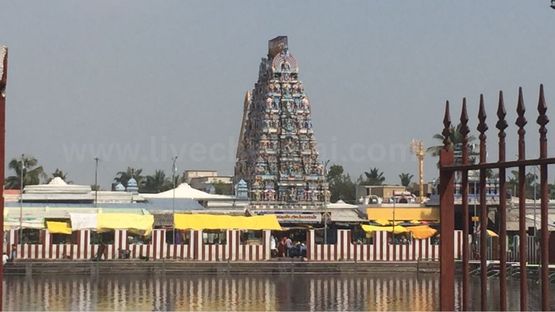
Thiruporur Kandaswamy Temple, also known as Thiruporur Murugan Temple or Kanthaswamy Temple, is a famous Hindu temple dedicated to Lord Murugan in Thiruporur, Chengalpattu district, Tamil Nadu. Located along the Old Mahabalipuram Road, the temple is an important Murugan pilgrimage centre near Chennai.
The temple is associated with the worship of Lord Kandaswamy and is known for its traditional Tamil temple architecture, ancient legends and major Murugan festivals. The temple is believed to have origins dating back to the Pallava period, while major reconstruction and development are associated with Chidambara Swamigal during the 17th century.
History
According to historical accounts, the temple is believed to have been established during the Pallava period around the 10th century CE. Chidambara Swamigal, who is traditionally regarded as a descendant of the Sangam-era poets, played an important role in rebuilding the temple during the 17th century.
The temple has continued to remain an important centre of Murugan worship over the centuries. In modern times, it is administered by the Hindu Religious and Charitable Endowments Department of the Government of Tamil Nadu.
Legend and Significance
According to temple tradition, Lord Murugan fought against the asuras in three different places. He is believed to have fought in the sea at Tiruchendur, on land at Thirupparankundram and in the air at Thiruporur. Since Murugan defeated the demon Tharukasura at this place, Thiruporur became associated with warfare, with the word “Por” in Tamil meaning war. The place is also traditionally known as Tharukapuri and Samarapuri.
Another important legend is associated with Chidambara Adigal. According to the Sthala Puranam, the area was once submerged during a great flood. Chidambara Adigal, who was living in Madurai, is believed to have received a divine instruction to recover the idol of Lord Murugan from beneath a palm tree. After discovering the image, he established the temple at Thiruporur.
A separate shrine dedicated to Chidambara Swamigal can be found within the temple premises. He is given special importance during the Vaikasi Visagam festival, and the concluding event of the festival traditionally depicts his merging with the presiding deity.
The temple is also associated with the works of several revered saints and scholars. Saint Arunagirinathar praised the temple and Lord Murugan in his Thirupugazh hymns, while Chidambara Swamigal is credited with composing 726 verses in praise of Kandaswamy.
Architecture and Special Features
The temple follows the traditional Tamil Hindu architectural style and occupies an area of around four acres. Its prominent five-tiered Rajagopuram rises to approximately 70 feet and forms the main entrance to the temple complex.
A 24-pillared hall leads devotees towards the main sanctum. The sanctum is constructed with granite and faces east. Lord Kandaswamy is depicted in a standing posture and is around seven feet tall. The deity holds the divine Vel, while an image of the peacock, the traditional vehicle of Lord Murugan, is also present beside the presiding deity.
Separate shrines are dedicated to Lord Murugan’s consorts Valli and Deivaanai. The temple complex also includes shrines for Lord Shiva, Goddess Parvathi and other associated deities. A temple tank is situated outside the main temple complex.
One of the distinctive religious features of the temple is that the presiding image of Kandaswamy is believed to be self-manifested. Therefore, the usual abhishekam is not performed directly on the main deity. Instead, worship and rituals are conducted for a yantra placed over a tortoise-shaped base.
Festivals and Pooja
Several festivals are celebrated at Thiruporur Kandaswamy Temple throughout the year. Vaikasi Visagam, celebrated during the Tamil month of Vaikasi, is one of the most important festivals. The temple also observes Maasi Brahmotsavam, Paalkudam and Paal Kavadi festivals, Kandha Sashti and Navarathri with special rituals and devotional activities.
Daily worship includes several poojas, along with weekly, monthly and fortnightly religious observances. The principal daily rituals include Kaalai Sandhi, Uchikala Pooja, Sayaratchai and Raakkaalam.
Temple Timings
The temple is generally open from 6:00 AM to 12:30 PM and from 3:30 PM to 8:30 PM. During major festivals and special religious occasions, the temple may follow extended timings.
Note: Temple timings may vary during festivals, special poojas and religious occasions.
Top Stories
-
 What Is Lien in Banking? Meaning, Reasons and How to Remove It10/Nov/2026 2:08:12 PM
-
 Minimum Balance vs Average Monthly Balance: Banking Difference Explained10/Nov/2026 12:51:11 PM
-
 Tiruchendur Murugan Temple Cancels ₹100 Paid Darshan on November 1610/Nov/2026 12:40:41 PM
-
 Chennai Deepavali Return Travel: 6,000 Special Buses to Operate for Passengers10/Nov/2026 11:10:17 AM
-
 Tamil Nadu Weather Update: Rain Expected in 10 Districts Until 1 PM Today10/Nov/2026 11:01:22 AM
-
 Sabarimala Special Train 2026: Chennai - Kollam Weekly Service for 3 Months10/Nov/2026 10:54:31 AM

 JB Soft System