
What Is Lien in Banking? Meaning, Reasons and How to Remove It

Bank customers may sometimes discover that a portion of their account balance is unavailable for withdrawal. In certain situations, this happens because the bank has placed a lien on the funds. Understanding this banking term can help customers identify why their money is temporarily restricted.
What Is a Lien?
A lien is a legal or contractual right that allows a bank or financial institution to retain or restrict access to certain funds or assets to secure an obligation, subject to applicable laws and agreements.
For example, a bank may place a lien on a fixed deposit when a customer uses it as security for a loan.
Why Do Banks Place a Lien?
There are several situations in which a lien may be applied:
Loan Security: A fixed deposit may be marked as security against a loan.
Credit Card Dues: Funds may be restricted in accordance with applicable agreements and legal requirements.
Outstanding Obligations: A lien may be placed to secure certain unpaid liabilities.
Legal or Regulatory Orders: Banks may restrict funds following valid instructions from competent authorities.
What Happens When a Lien Is Marked?
When a lien is placed on an account, the affected amount may not be available for withdrawal or transfer.
However, the remaining available balance may still be accessible, depending on the nature and scope of the restriction.
For example, if a bank places a lien of ₹20,000 on a fixed deposit worth ₹1 lakh, the restricted amount is ₹20,000, subject to the bank`s terms.
How Can Customers Remove a Lien?
Customers should contact their bank to understand the reason for the lien and the conditions for its removal. If it relates to a loan, repayment or release of the security may be necessary. If it relates to a legal order, the relevant authority`s instructions may be required.
Understanding lien helps customers manage banking restrictions and protect their financial interests.
Top Stories
-
What Is Lien in Banking? Meaning, Reasons and How to Remove It10/Nov/2026 2:08:12 PM
-
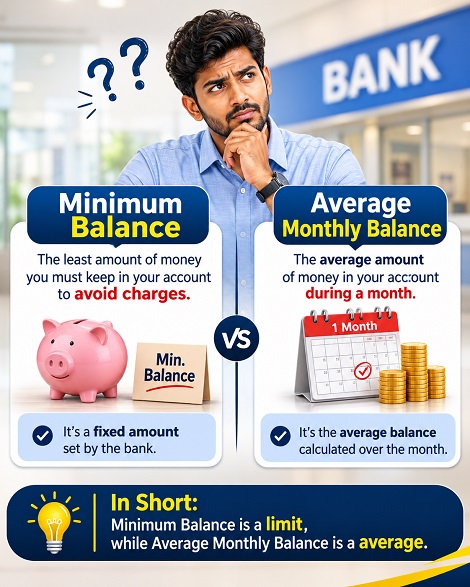 Minimum Balance vs Average Monthly Balance: Banking Difference Explained10/Nov/2026 12:51:11 PM
-
 Tiruchendur Murugan Temple Cancels ₹100 Paid Darshan on November 1610/Nov/2026 12:40:41 PM
-
 Chennai Deepavali Return Travel: 6,000 Special Buses to Operate for Passengers10/Nov/2026 11:10:17 AM
-
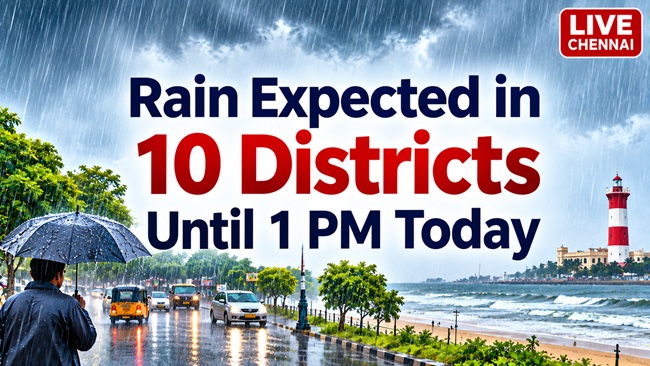 Tamil Nadu Weather Update: Rain Expected in 10 Districts Until 1 PM Today10/Nov/2026 11:01:22 AM
-
 Sabarimala Special Train 2026: Chennai - Kollam Weekly Service for 3 Months10/Nov/2026 10:54:31 AM

 JB Soft System