
What Is a Gold ETF? Benefits, Risks and How It Works
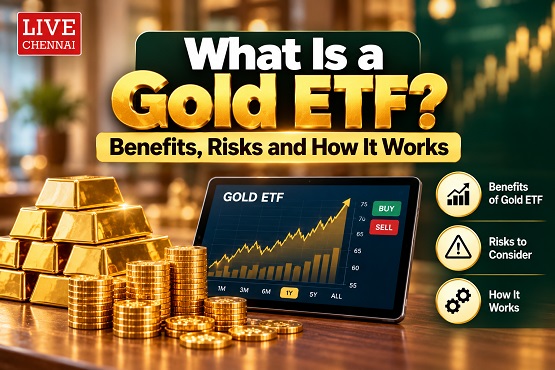
Gold is a popular asset among Indian investors, but purchasing and storing physical gold is not the only way to gain exposure to gold prices. Gold Exchange-Traded Funds, commonly called Gold ETFs, provide another investment option.
These funds allow investors to participate in gold-price movements through exchange-traded units without personally storing jewellery, coins or bars.
What Is a Gold ETF?
A Gold ETF is an exchange-traded fund designed to provide returns broadly linked to the price of gold, subject to its investment structure, expenses and tracking differences.
Each unit represents an interest in the fund`s portfolio. Gold ETFs generally invest in physical gold of the prescribed quality and may hold other permitted assets for operational purposes.
Unlike jewellery, ETF units do not involve personal ownership of a particular ornament or its craftsmanship.
How Do Gold ETFs Work?
Gold ETFs are traded on recognised stock exchanges. Investors generally need a demat account and a trading account to buy and sell units through their broker.
The market price of an ETF unit can fluctuate during trading hours. Its value is influenced by gold prices, expenses, market demand and the fund`s ability to track its benchmark.
Investors should review the scheme documents to understand its investment objective, expenses and risks.
What Are the Benefits of Gold ETFs?
Convenience: Investors can buy or sell units through the stock market during trading hours.
Storage: Investors do not need to personally store gold jewellery or bars.
Transparency: The market price of ETF units is available during trading hours.
Portfolio diversification: Gold ETFs may be used as one component of a diversified investment portfolio, depending on an investor`s goals and risk tolerance.
What Are the Risks?
Gold ETFs do not guarantee returns. Their value can fall when gold prices decline, and investors may incur brokerage charges, fund expenses and other applicable costs.
Investors should also consider liquidity, tracking differences, taxation rules and their investment time horizon.
Gold ETF vs Physical Gold
Physical jewellery may serve cultural or personal purposes, but its purchase price can include making charges and other costs. Gold ETFs provide market-linked investment exposure without requiring personal storage, but they do not provide jewellery for personal use.
Conclusion
Gold ETFs offer an alternative to physical gold for investors seeking exchange-traded exposure to gold prices. Before investing, review the scheme documents, costs, risks and applicable tax rules.
Top Stories
-
 Tomorrow Panchangam October 28, 2026 | Auspicious Timings, Rahu Kalam, Gulikai27/Oct/2026 5:35:40 PM
-
 Bigg Boss Tamil 10 Introduces New ‘Quick Gun Cowboys’ and ‘Mining Mafias’ Task27/Oct/2026 5:34:47 PM
-
 Tamil Nadu Rain Alert: Light to Moderate Rain Expected in Kanniyakumari and Tirunelveli27/Oct/2026 5:28:40 PM
-
What Is a Gold ETF? Benefits, Risks and How It Works27/Oct/2026 5:26:11 PM
-
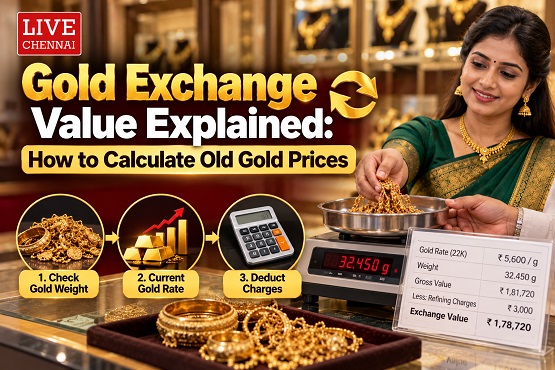 Gold Exchange Value Explained: How to Calculate Old Gold Prices27/Oct/2026 5:21:32 PM
-
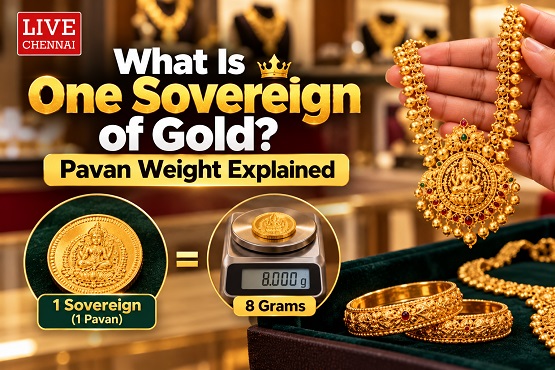 What Is One Sovereign of Gold? Pavan Weight Explained27/Oct/2026 5:14:54 PM

 JB Soft System