
Devotees Carry 300-Kg Maha Deepam Kopparai Up Annamalaiyar Hill for Karthigai Deepam
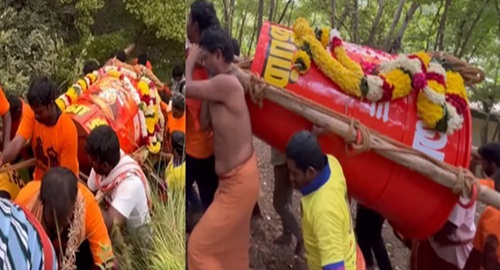
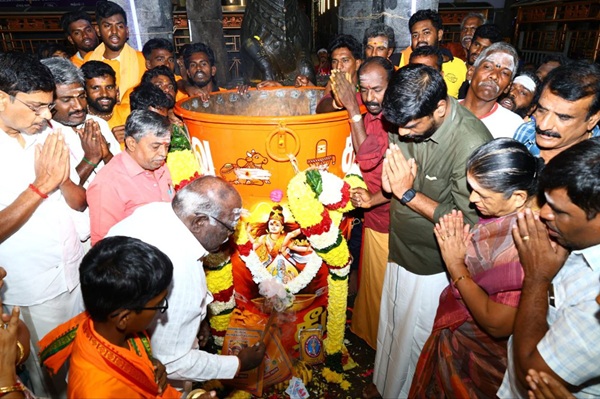
Devotees in Thiruvannamalai carried the Maha Deepam (giant ghee lamp) up the Annamalaiyar hill for the Karthigai Deepam festival, even as the region experienced continuous rainfall. The sacred ghee-filled barrel, weighing over 300 kilos, was lifted and taken uphill by trained volunteers.
According to temple authorities, the Maha Deepam will be lit on December 3 at the hilltop, located around 2,600 feet above sea level. Despite the challenging weather conditions, preparations for the annual Karthigai Deepam festival are underway with full devotion and strict safety measures


Top Stories
-
 Power Shutdown Areas in Chennai - Tuesday (06-10-2026)04/Oct/2026 9:40:38 PM
 -
 Power Shutdown Areas in Chennai - Monday (05-10-2026)04/Oct/2026 9:39:28 PM
 -
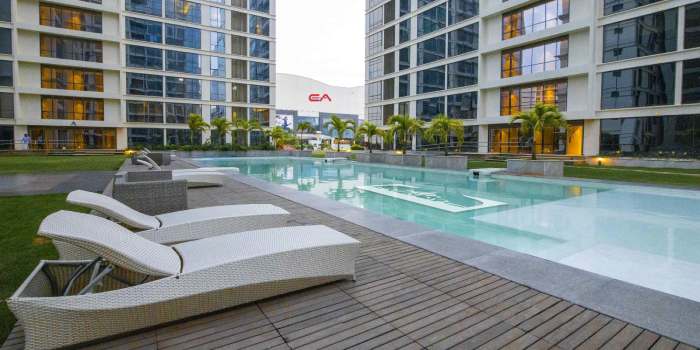 ₹19.8 Crore for an Apartment! A Look at Chennai’s Luxury Address Beside Express Avenue04/Oct/2026 10:42:50 AM
 -
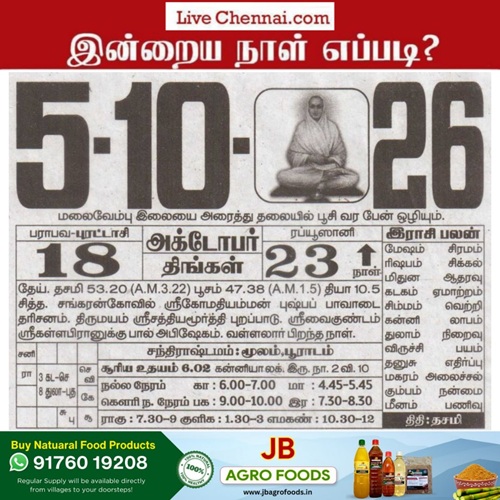 Today Nalla Neram October 5, 2026 – Rahu Kalam, Yamagandam & Tamil Panchangam03/Oct/2026 6:22:39 PM
 -
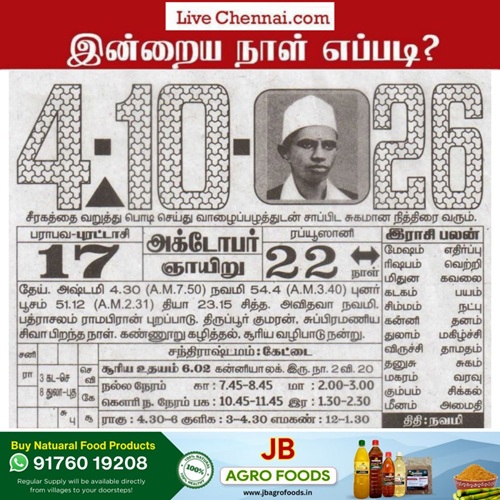 Tomorrow Panchangam October 04, 2026 | Auspicious Timings, Rahu Kalam, Gulikai03/Oct/2026 6:21:18 PM
 -
 Bigg Boss Tamil 10 Day 26: Javeed, Dhanya, Savinya and Ashmitha Face Major Twist03/Oct/2026 5:30:20 PM

 JB Soft System