
From Roadside Stops to Camera Evidence: How India’s Traffic Penalty System Has Changed
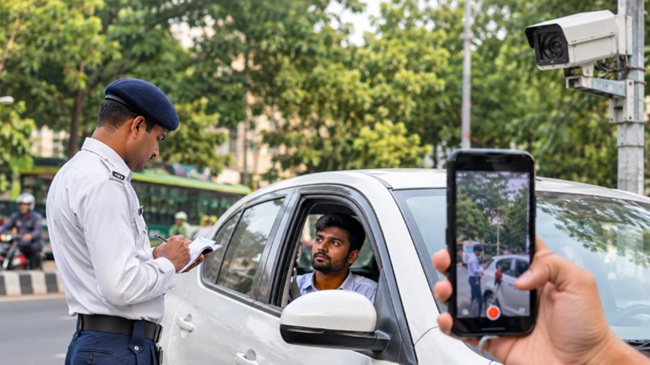
For most of the last century, a traffic fine in India began with a whistle and a hand signal. An officer stopped the vehicle, wrote a slip, and collected the amount on the spot or sent the driver to a court counter. The system relied on an officer being present, and a good deal depended on how the stop went.
That picture has shifted. Cameras at junctions and on expressways, speed detection devices and automatic number plate recognition now record many violations without anyone flagging a vehicle down. The notice reaches the owner later, usually as a message. The change has made enforcement more consistent, and it has also put the burden on motorists to know what they may owe and how to check.
How a violation is recorded today
A typical electronic challan starts with a photograph or video. The system reads the registration number, looks up the owner’s details in the national vehicle database, and issues a notice that records the offence, the place, the time and the legal section involved. The notice is issued in the name of the registered owner and sent by SMS or e-mail, or in physical form.
This has a practical consequence. A challan is only as reachable as the contact details on the registration record. Owners who changed numbers, or who bought a vehicle without updating the details, may learn of a fine late. Keeping the mobile number current with the transport department is a simple precaution.
The amounts behind the notices
Most of the fines in force today trace back to the 2019 amendments to the Motor Vehicles Act, which raised penalties that had stayed low for years. Several provisions were changed again by the Jan Vishwas (Amendment of Provisions) Act, 2026, which has applied to the Motor Vehicles Act since 15 August 2026. Motorists who look up traffic challan fine list India will find that the national figures for common offences are as follows.
| Offence | Penalty under the Act |
| General offences with no specific penalty | Warning for a first contravention; Rs 500 to Rs 1,500 for a second or later one |
| Driving without a licence | Rs 5,000 |
| Overspeeding, light motor vehicle | Rs 1,000 to Rs 2,000 |
| Overspeeding, medium or heavy goods or passenger vehicle | Rs 2,000 to Rs 4,000 |
| Dangerous driving | Rs 1,000 to Rs 5,000 |
| Drink driving, first offence | Rs 10,000 |
| Not wearing a seat belt | Rs 1,000 |
| Riding without a helmet | Rs 1,000 and disqualification from holding a licence for three months |
| Not giving way to an emergency vehicle | Rs 10,000 for a first offence |
| Driving without insurance | Three times the base premium or Rs 5,000, whichever is higher; for a repeat, five times or Rs 10,000 |
Also, several offences carry more than a fine. Drink driving and dangerous driving can lead to imprisonment, and offences linked to licences can bring suspension or disqualification. The table is a summary, not legal advice, and amounts are best confirmed against the Act or the official notice.
Dealing with an electronic notice in Gujarat
Gujarat Police issue electronic challans backed by camera and speed detection evidence, within the national e-challan system. The steps for an e challan Gujarat drivers receive follow a common pattern. First, read the message carefully and note the challan number, the date and the offence. Second, check the details against the vehicle number, using the official national e-challan portal or the Gujarat Police website. Third, compare the photographic evidence with what you remember of the trip.
If the notice is correct, payment can be made online by card, UPI or net banking through the official portal or the government’s mobile app. Keep the receipt and confirm that the challan shows as paid. If the notice looks wrong, because the vehicle is not yours, the location is mistaken or the offence did not take place, the portal provides a way to raise a complaint, and a physical court hearing remains available as an alternative.
If the notice looks wrong, because the vehicle is not yours, the location is mistaken or the offence did not take place, the portal lets you contest the challan with supporting documents, and a physical court hearing remains available as an alternative. If your challenge is rejected, you can pay the amount or go to court, but a court application requires depositing half the challan amount first.
A point for buyers and sellers
Camera challans are issued in the name of the registered owner and stay linked to the vehicle’s registration number, so a pending challan can follow the vehicle after a sale. Long-unpaid challans can also hold up registration related applications. Anyone buying a used car should check the number on the official portal before handing over money, and sellers do well to clear any dues before transfer.
Top Stories
-
 Power Shutdown Areas in Chennai - Saturday (21.11.2026)19/Nov/2026 6:21:56 PM
-
 Tomorrow Panchangam November 20, 2026 | Auspicious Timings, Rahu Kalam, Gulikai19/Nov/2026 5:46:38 PM
-
 Tiruvannamalai Karthigai Deepam Festival - Divine 5th Day Morning Procession19/Nov/2026 5:44:26 PM
-
 Cyclone Akvan Update: Light Rain Likely in Western Ghats Districts of Tamil Nadu Today19/Nov/2026 5:11:46 PM
-
 What Is a Mutual Fund? Understanding How Mutual Fund Investments Work19/Nov/2026 5:03:06 PM
-


 JB Soft System